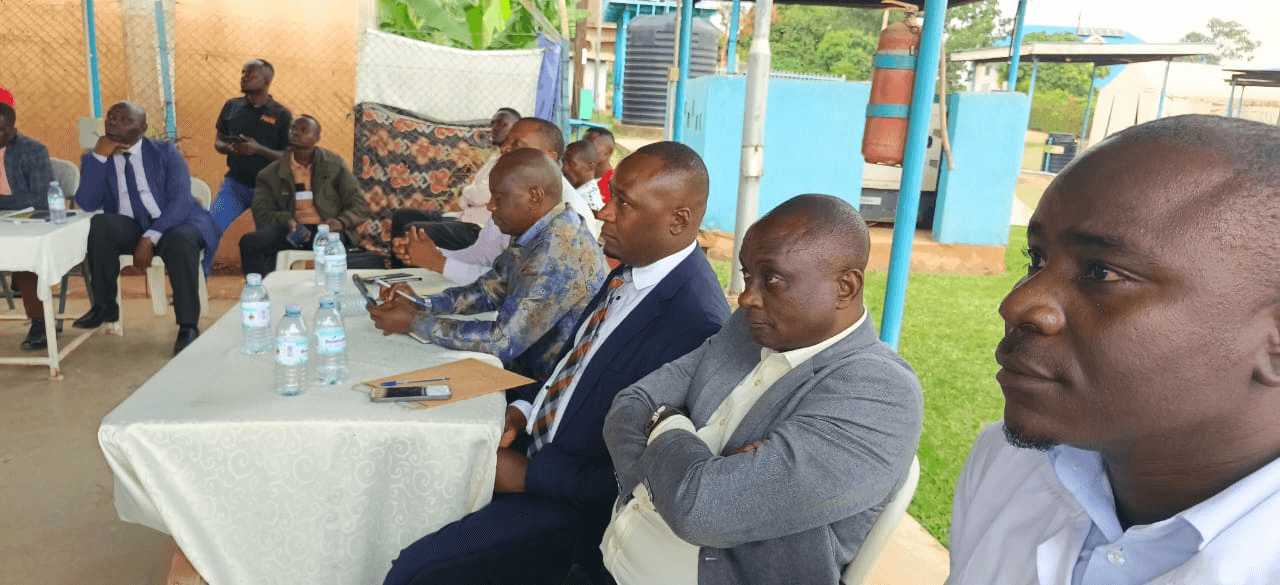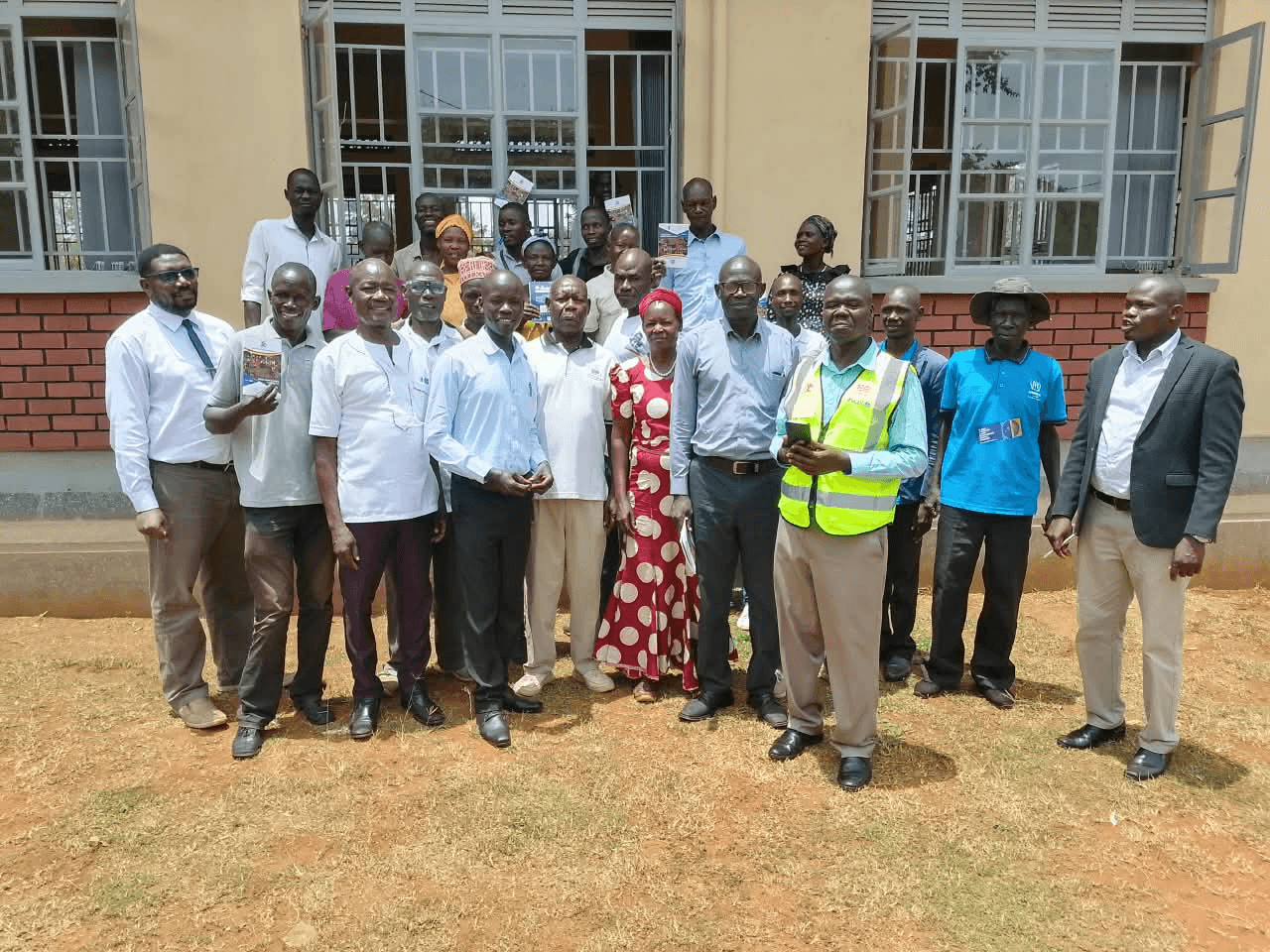
Kampala, July 2026 – The National Planning Authority (NPA) has called on Local Government inspectors to strengthen budget oversight to ensure investments in Human Capital Development (HCD) translate into improved service delivery and sustainable national development.
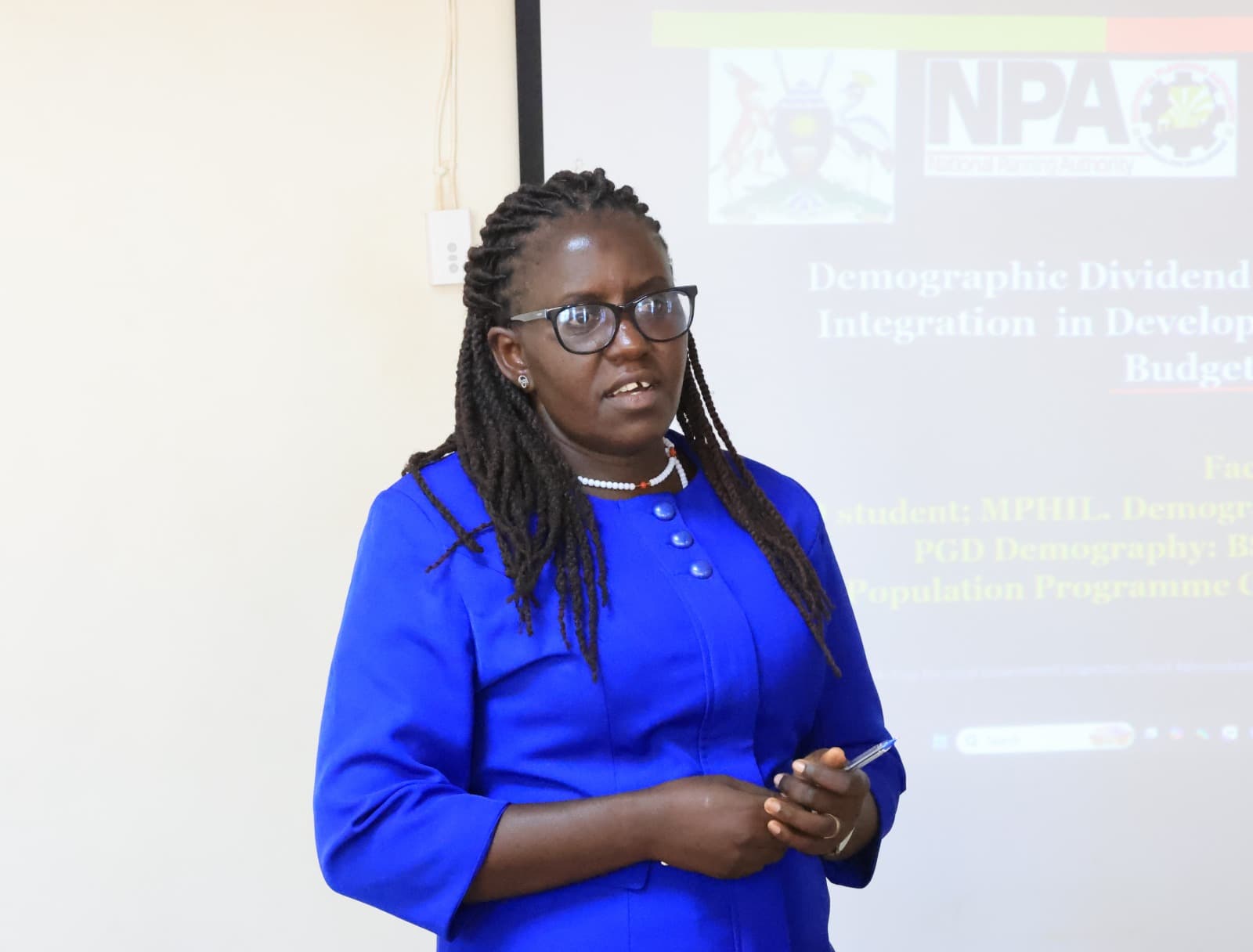
Delivering a presentation during the Ministry of Local Government’s three-day training on Human Capital Development Budget Analysis, Ms. Arinaitwe Hellen, Planner, Population Programme Coordination at the National Planning Authority (NPA), emphasized that Uganda’s demographic dividend will only be realized if local governments effectively plan, budget, and invest in critical sectors such as health, education, water and sanitation, social protection, and skills development.
“A youthful population is an opportunity, not a guarantee. Whether Uganda realizes a demographic dividend or faces a demographic burden depends on the investment choices we make today.”
Arinaitwe explained that 73.2 percent of Uganda’s population is below the age of 30, while the country’s population is projected to grow from 45.9 million in 2024 to 104 million by 2060, making Human Capital Development a national priority.
She noted that Local Government budgets are more than financial documents—they are a reflection of the country’s commitment to transforming its youthful population into a productive workforce.
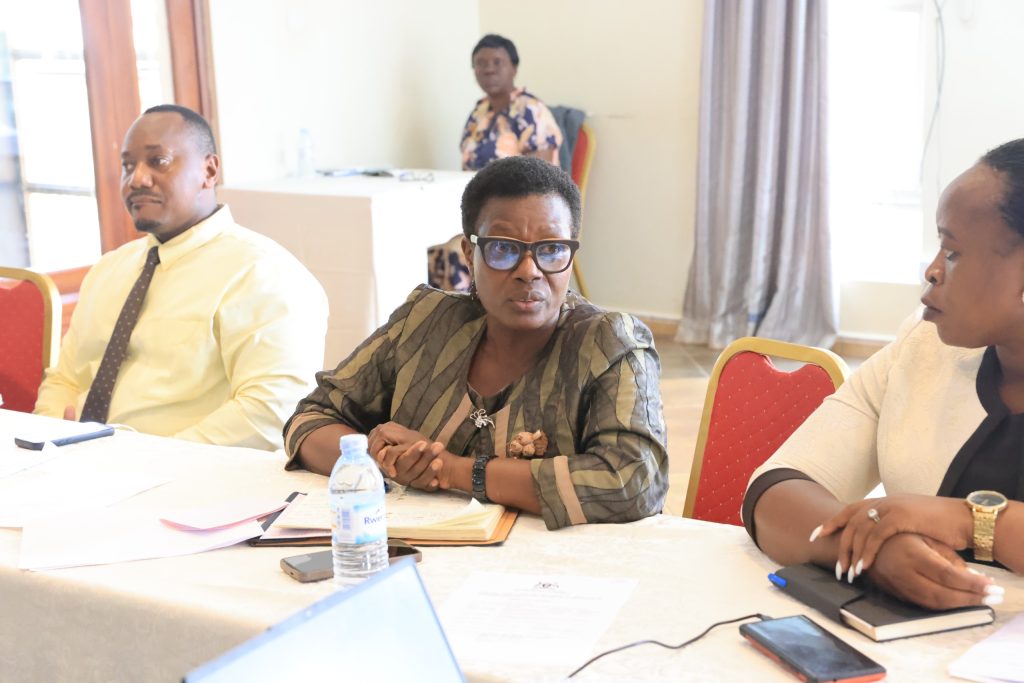
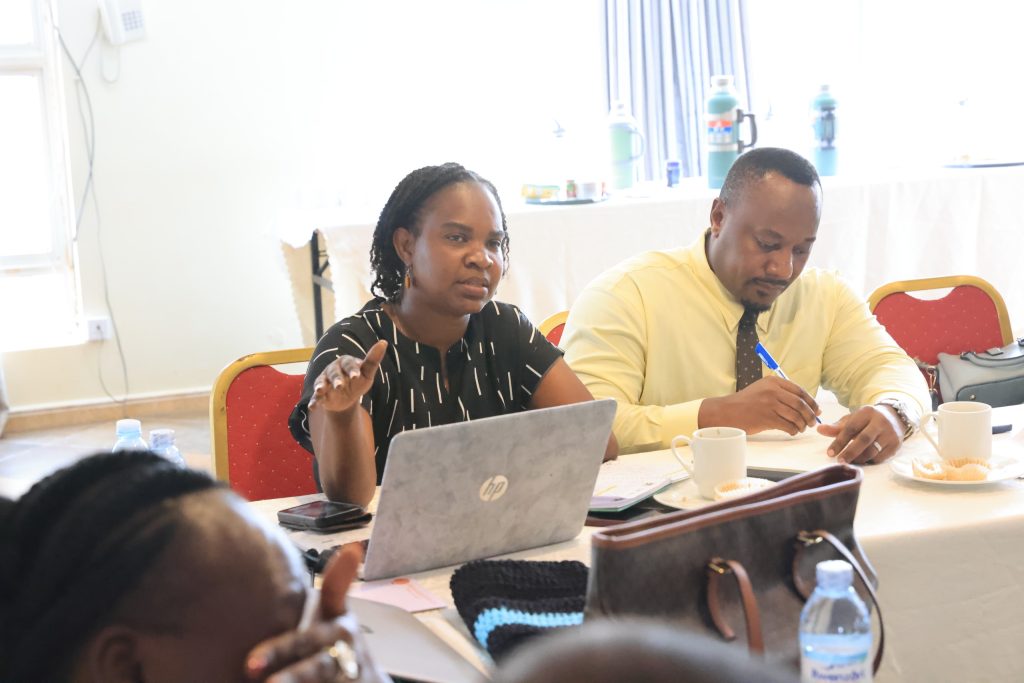
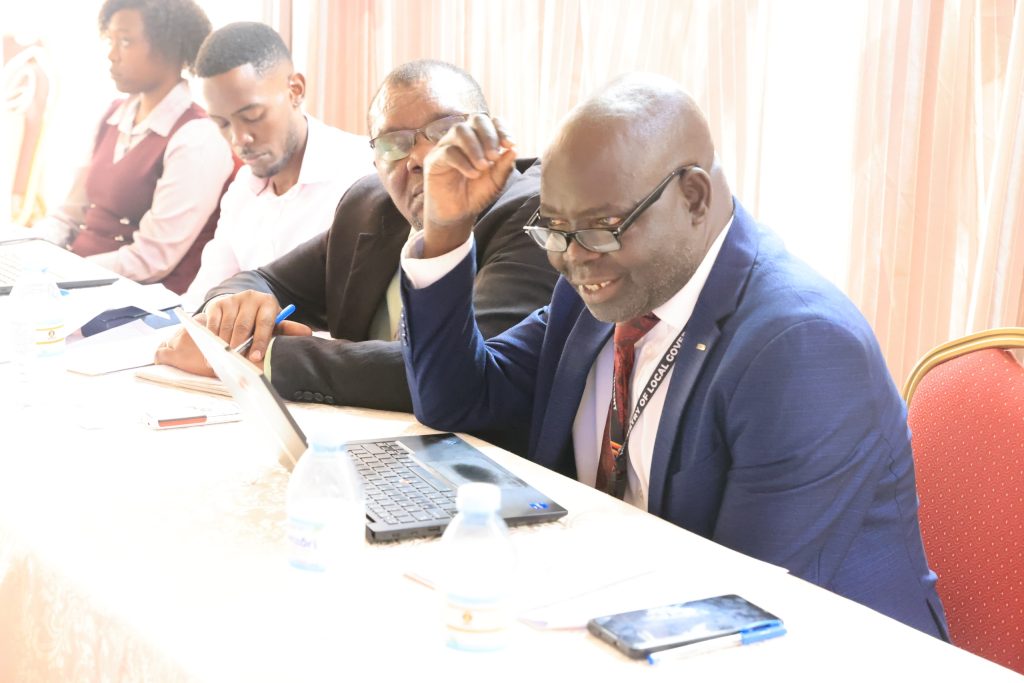
“A Local Government budget is not just a financial document. It is a statement about whether Uganda’s young population becomes an economic engine or a growing burden.”
Arinaitwe further explained that Human Capital Development under Programme 17 of the Fourth National Development Plan (NDP IV) seeks to build a healthy, knowledgeable, skilled, ethical, and productive population through investments in health, education, nutrition, water and sanitation, social protection, and decent employment.
She urged inspectors to ensure that every budget allocation can be traced to national development priorities through the Programme Implementation Action Plan (PIAP).
“Every shilling should be traceable from a PIAP action to a strategic output, intervention, outcome, and ultimately a national objective. If it cannot be traced, that should raise concern during inspection.”
Arinaitwe also challenged inspectors to assess whether Human Capital Development budgets are adequately funded, equitably distributed, effectively utilized, and responsive to the needs of women, youth, persons with disabilities, and other vulnerable groups.
Concluding her presentation, she reminded participants that their work as inspectors has a direct impact on Uganda’s future.
“Every budget you inspect is a decision about Uganda’s demographic future.”
The training is expected to strengthen inspectors’ capacity to analyze Human Capital Development budgets, improve accountability, and promote evidence-based planning that enhances service delivery across local governments.