The Ministry of Local Government (MoLG), in partnership with the United Nations Capital Development Fund (UNCDF), has strengthened Uganda’s commitment to locally led climate action following the successful conclusion of the 2026 National LoCAL Workshops held in Moroto and Gulu.
The engagements brought together district leaders, technical officers, development partners and representatives from key government institutions to review progress, strengthen implementation capacity, and onboard new local governments into the Local Climate Adaptive Living (LoCAL) Facility.
Over the past three years, the LoCAL Facility has expanded from four pilot districts to 24 local governments, positioning local governments at the forefront of climate adaptation and resilience building across the country.
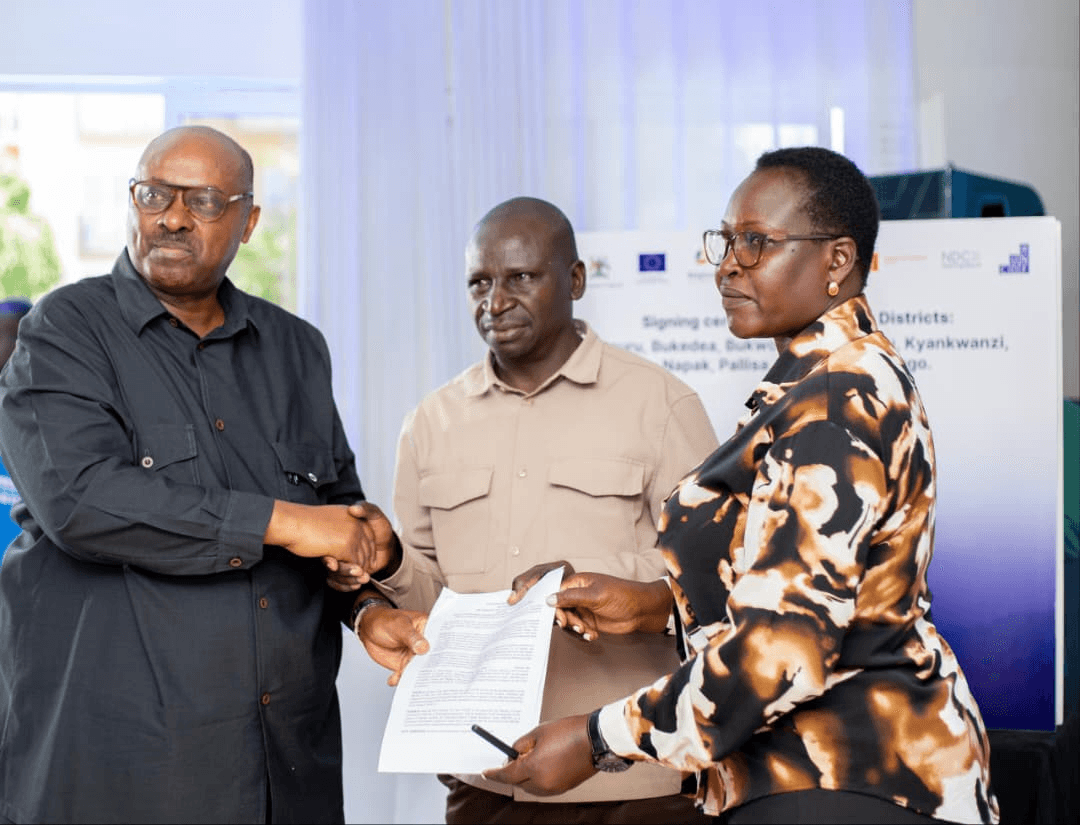
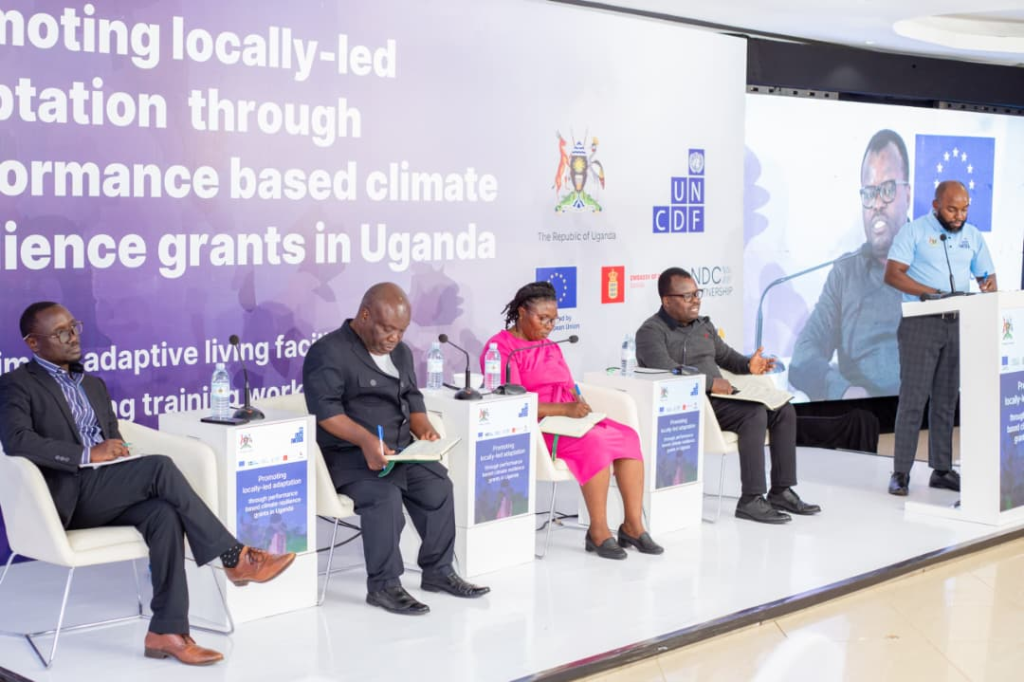
Permanent Secretary, Ministry of Local Government, Ben Kumumanya officially onboarding district leaders during the Gulu workshop
While officially opening the Gulu workshop, the Permanent Secretary of the Ministry of Local Government, Mr. Ben Kumumanya, onboarded five new districts Rwampara, Terego, Kyankwanzi, Amuru and Gulu onto the LoCAL Facility.
The onboarding followed a similar exercise in Moroto where Bukwo, Butaleja, Napak, Bukedea and Pallisa districts joined the programme, bringing the total number of participating local governments to 24.
Addressing participants, Mr. Kumumanya emphasized the strategic importance of devolving climate finance to local governments.
“LoCAL is Uganda’s gateway to locally led climate finance, ensuring resources reach the last mile,” he said. The Permanent Secretary noted that climate change continues to affect livelihoods through prolonged droughts, floods and environmental degradation, making locally driven adaptation investments critical for sustainable development.
The LoCAL Facility enables districts to access climate finance through Performance-Based Climate Resilience Grants (PBCRGs), supporting practical interventions such as climate-resilient infrastructure, water supply systems, climate-smart agriculture, agroforestry and clean energy technologies.
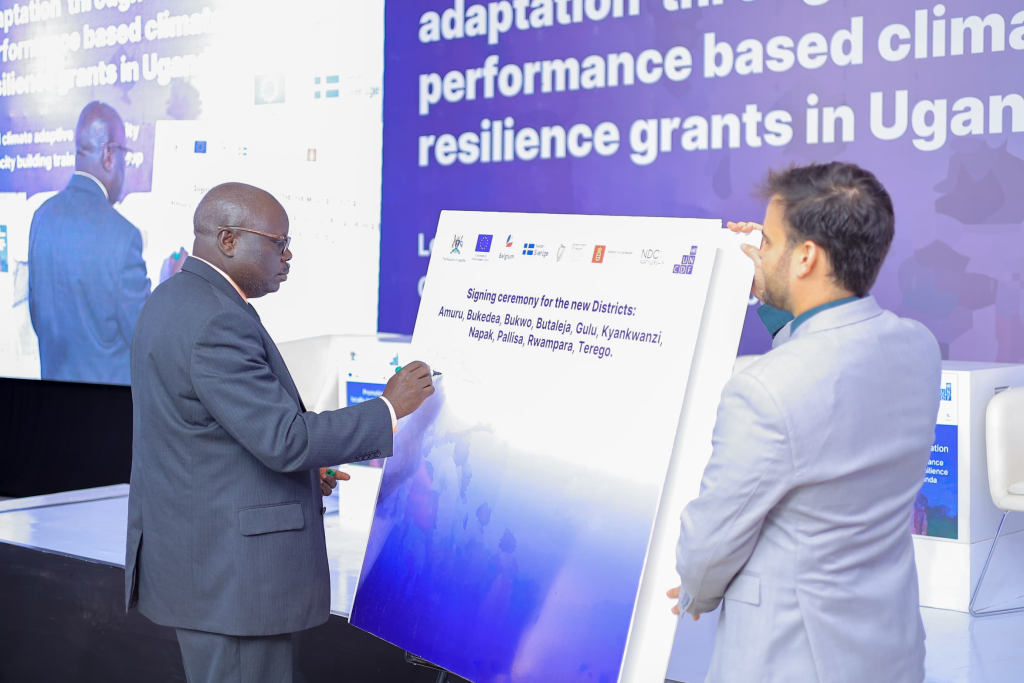
Mr. Stephen Koma, Commissioner District Inspection, signing the commitment board on behalf of the government.
Since implementation began in 2022, the programme has delivered significant results. More than USD 3.9 million has been invested in over 90 community resilience projects, while participating districts have implemented locally led adaptation investments worth approximately UGX 14 billion.
Speaking during the workshop, LoCAL Facility Coordinator Eng. Paul Kasule highlighted the programme’s rapid growth and increasing impact.“Within just three years, the programme has expanded from four to twenty-four local governments, driven by strong partnerships and locally led solutions,” he noted.
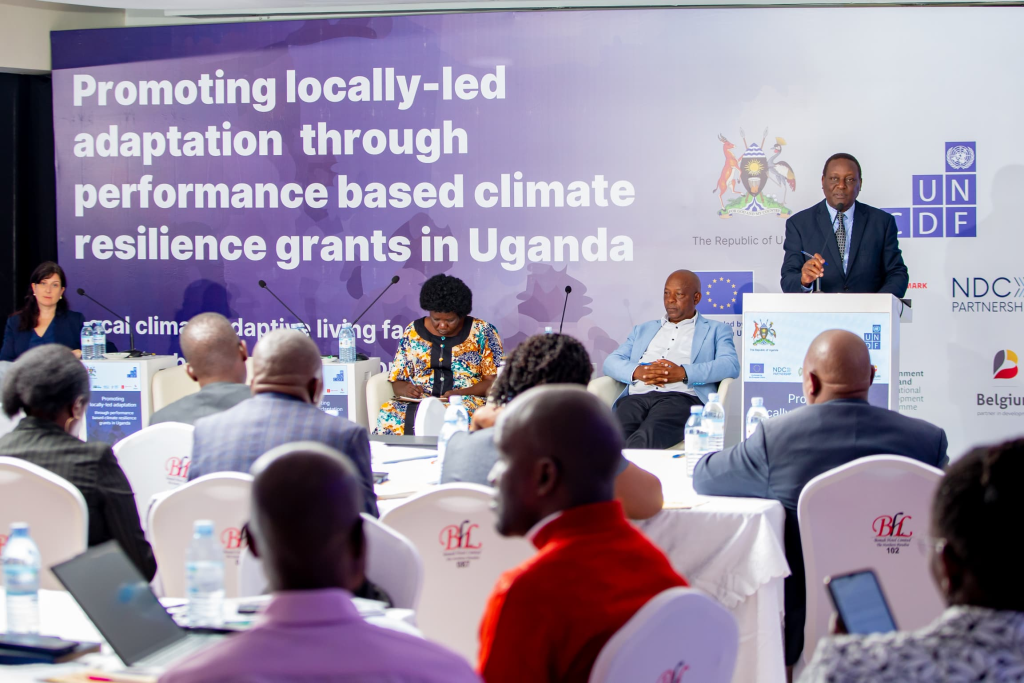
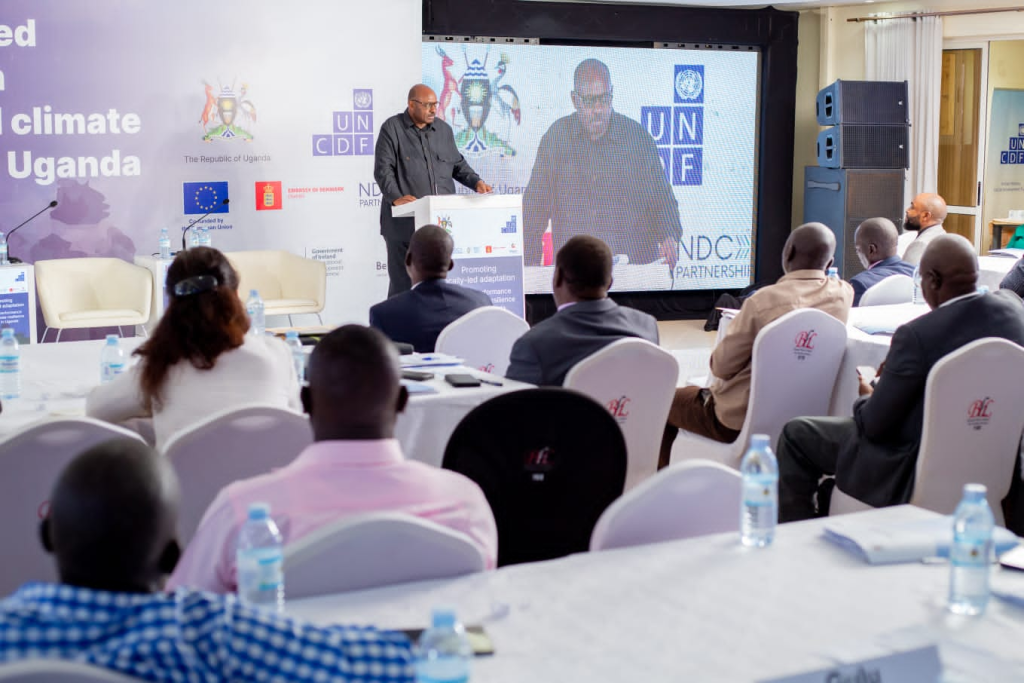
The LoCAL Facility Coordinator, Eng. Paul Kasule speaking during the workshop
The workshops also provided an opportunity for district implementation teams to strengthen their capacity in climate finance, adaptation planning, risk prioritization, budgeting, monitoring and reporting.
Participants included Chief Administrative Officers, District Planners, Engineers, Natural Resources Officers, Community Development Officers, Commercial Officers and Education Officers from beneficiary districts.
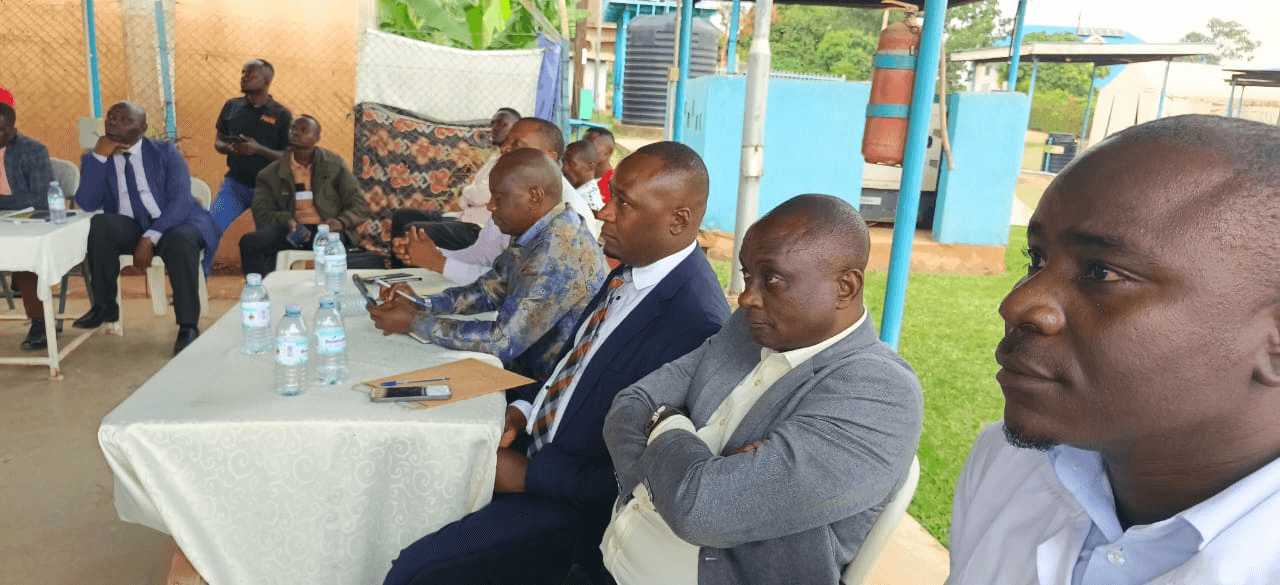
Technical officers participating in training sessions and group discussions
Representing UNCDF, Country Representative Ms. Justine Audrain commended Uganda’s progress in institutionalizing climate action within local government systems.
She observed that the programme has achieved significant growth in district coverage, financing and integration of climate resilience into local planning and budgeting processes. “The focus now is delivering real impact, driven by strong local ownership,” she said.
She further emphasized the need to mobilize additional financing, including private sector investment, to sustain and scale climate adaptation interventions across the country.
The LoCAL mechanism is implemented within Uganda’s Intergovernmental Fiscal Transfer System and complements national development frameworks, including Vision 2040, the National Development Plan IV and the Parish Development Model.
The initiative is supported by several development partners, including UNCDF, the Embassy of Denmark, the Embassy of Ireland, the Kingdom of Belgium, the European Union and the NDC Partnership.
Closing the workshops on behalf of the Permanent Secretary, Assistant Commissioner for District Administration Mr. J.J. Ettedu challenged participants to translate knowledge into tangible results for communities.
“The true value of this training is in implementation. Let’s take these lessons back to our districts, move beyond resolutions, and work as a team with integrity to build a more climate-resilient Uganda.”
The workshops reaffirmed Government’s commitment to strengthening local governments as frontline actors in climate response and ensuring that climate finance reaches communities most vulnerable to the impacts of climate change.
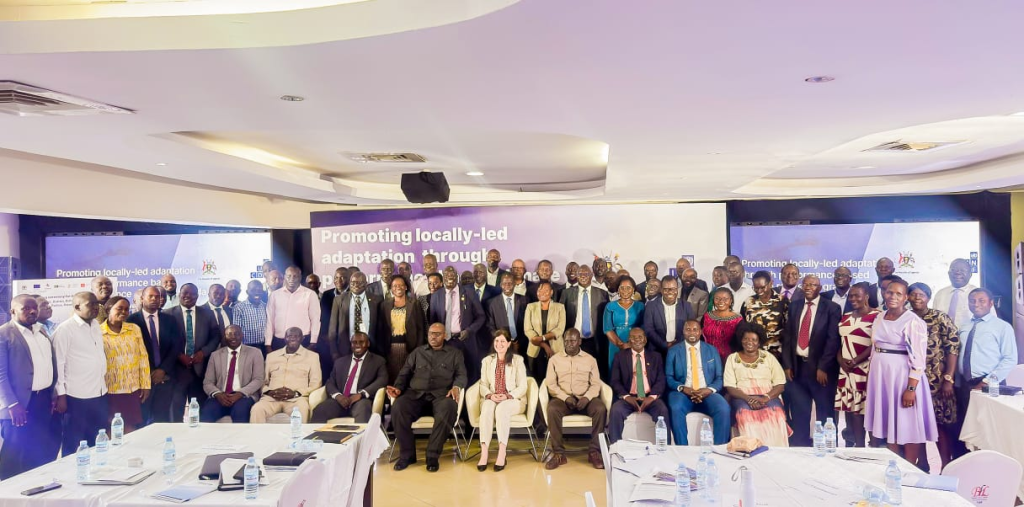
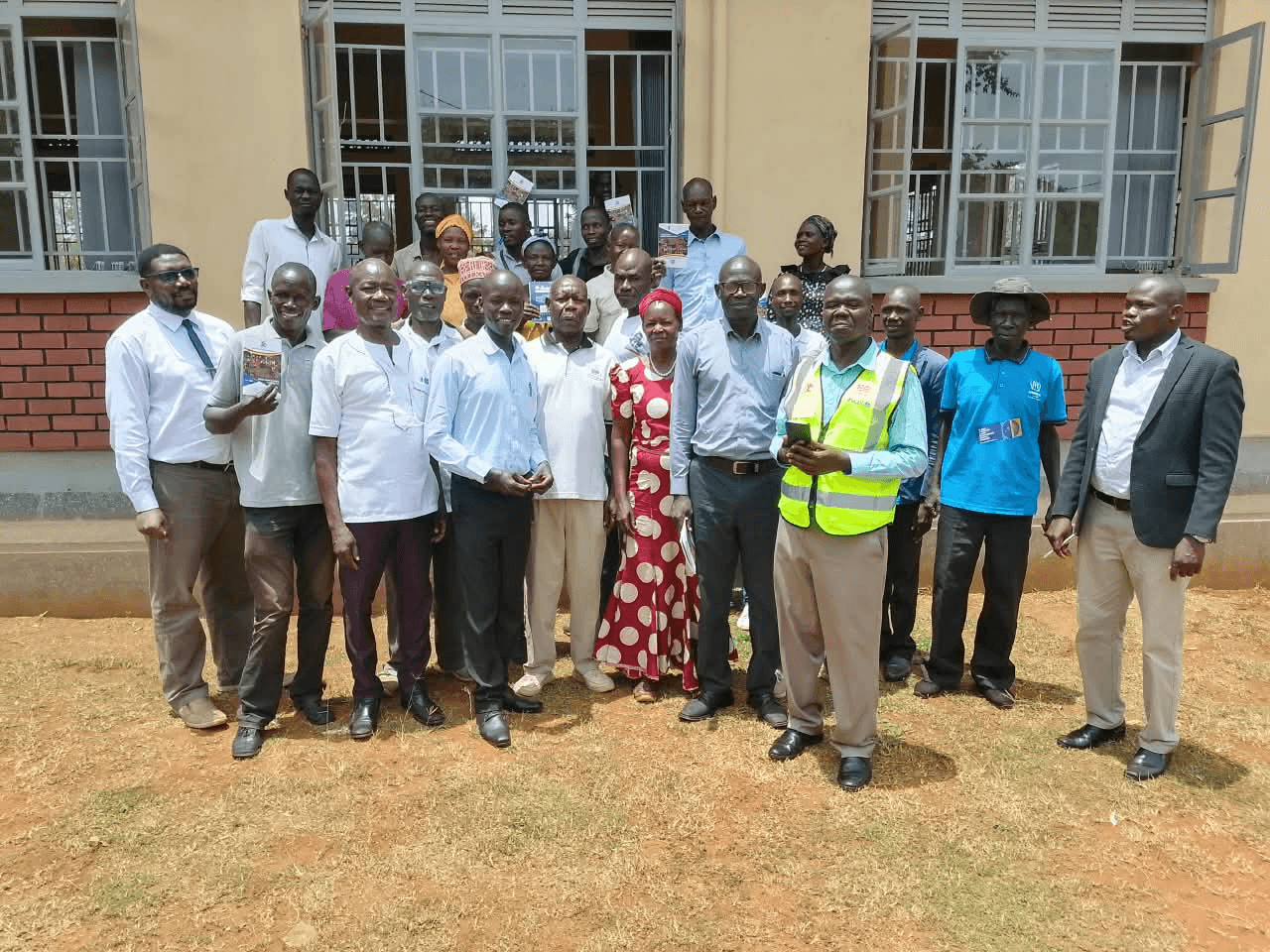
Group photo of district leaders, Ministry officials, UNCDF representatives and partners at the conclusion of the workshop
The Local Climate Adaptive Living (LoCAL) Facility is a Government of Uganda initiative implemented by the Ministry of Local Government with support from the United Nations Capital Development Fund (UNCDF). The programme channels climate finance directly to local governments through performance-based grants while strengthening institutional capacity for climate-resilient planning, budgeting and service delivery.
By empowering local governments to respond to climate risks, LoCAL supports communities to protect livelihoods, strengthen resilience and promote sustainable development.
The workshops also provided an opportunity for district implementation teams to strengthen their capacity in climate finance, adaptation planning, risk prioritization, budgeting, monitoring and reporting.
Participants included Chief Administrative Officers, District Planners, Engineers, Natural Resources Officers, Community Development Officers, Commercial Officers and Education Officers from beneficiary districts.
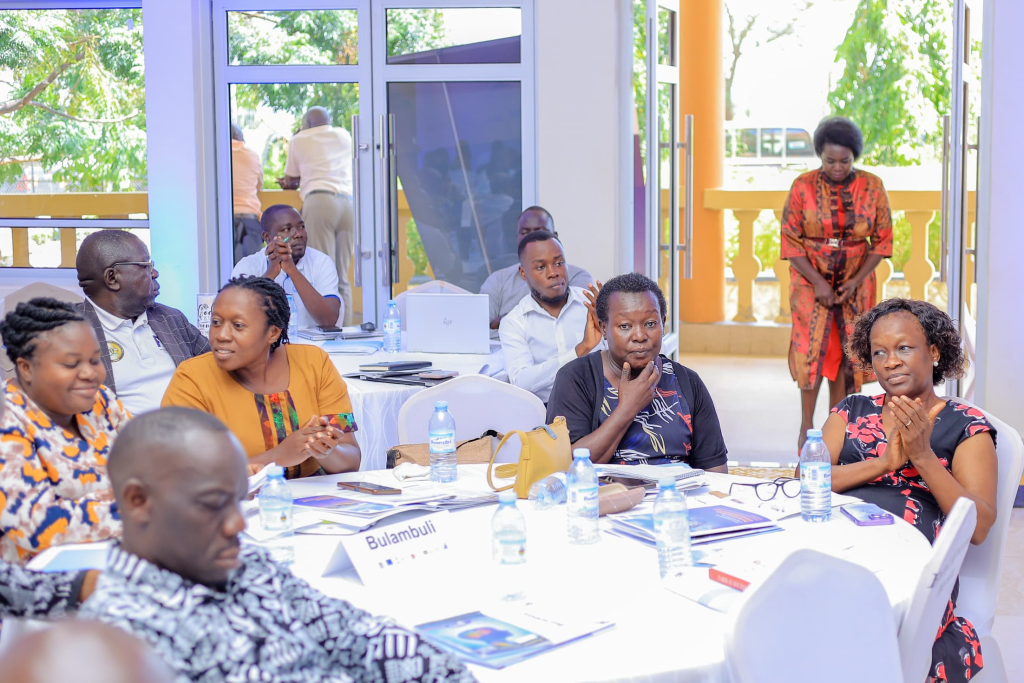
Technical officers participating in training sessions and group discussions
Representing UNCDF, Country Representative Ms. Justine Audrain commended Uganda’s progress in institutionalizing climate action within local government systems.
She observed that the programme has achieved significant growth in district coverage, financing and integration of climate resilience into local planning and budgeting processes. “The focus now is delivering real impact, driven by strong local ownership,” she said.
She further emphasized the need to mobilize additional financing, including private sector investment, to sustain and scale climate adaptation interventions across the country.
The LoCAL mechanism is implemented within Uganda’s Intergovernmental Fiscal Transfer System and complements national development frameworks, including Vision 2040, the National Development Plan IV and the Parish Development Model.
The initiative is supported by several development partners, including UNCDF, the Embassy of Denmark, the Embassy of Ireland, the Kingdom of Belgium, the European Union and the NDC Partnership.
Closing the workshops on behalf of the Permanent Secretary, Assistant Commissioner for District Administration Mr. J.J. Ettedu challenged participants to translate knowledge into tangible results for communities.
“The true value of this training is in implementation. Let’s take these lessons back to our districts, move beyond resolutions, and work as a team with integrity to build a more climate-resilient Uganda.”
The workshops reaffirmed Government’s commitment to strengthening local governments as frontline actors in climate response and ensuring that climate finance reaches communities most vulnerable to the impacts of climate change.
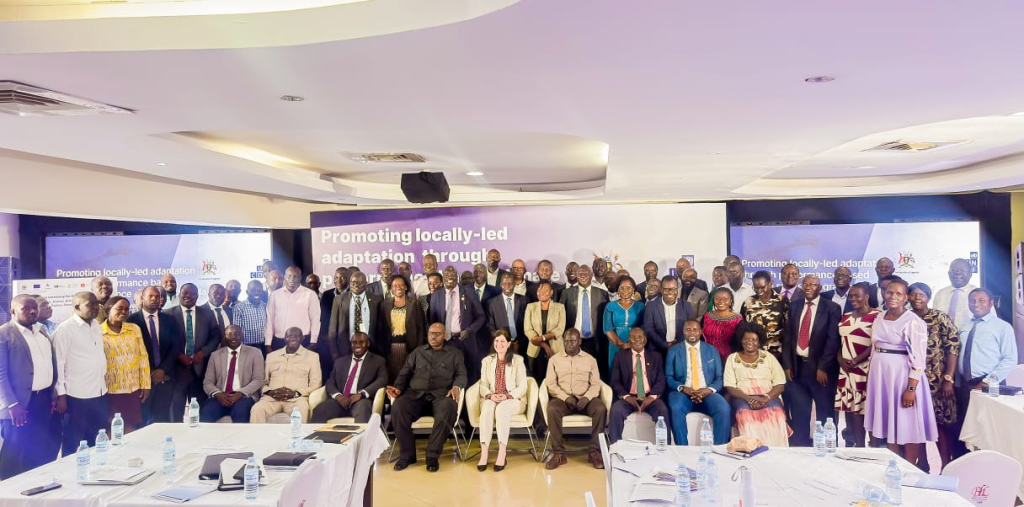
Group photo of district leaders, Ministry officials, UNCDF representatives and partners at the conclusion of the workshop
The Local Climate Adaptive Living (LoCAL) Facility is a Government of Uganda initiative implemented by the Ministry of Local Government with support from the United Nations Capital Development Fund (UNCDF). The programme channels climate finance directly to local governments through performance-based grants while strengthening institutional capacity for climate-resilient planning, budgeting and service delivery.
By empowering local governments to respond to climate risks, LoCAL supports communities to protect livelihoods, strengthen resilience and promote sustainable development.