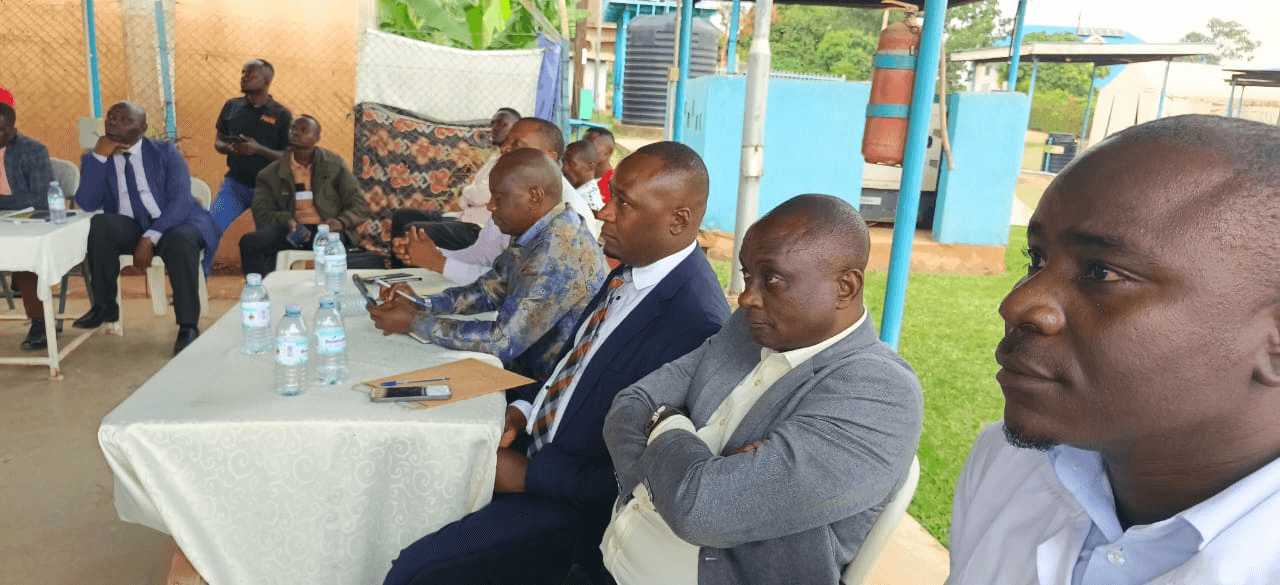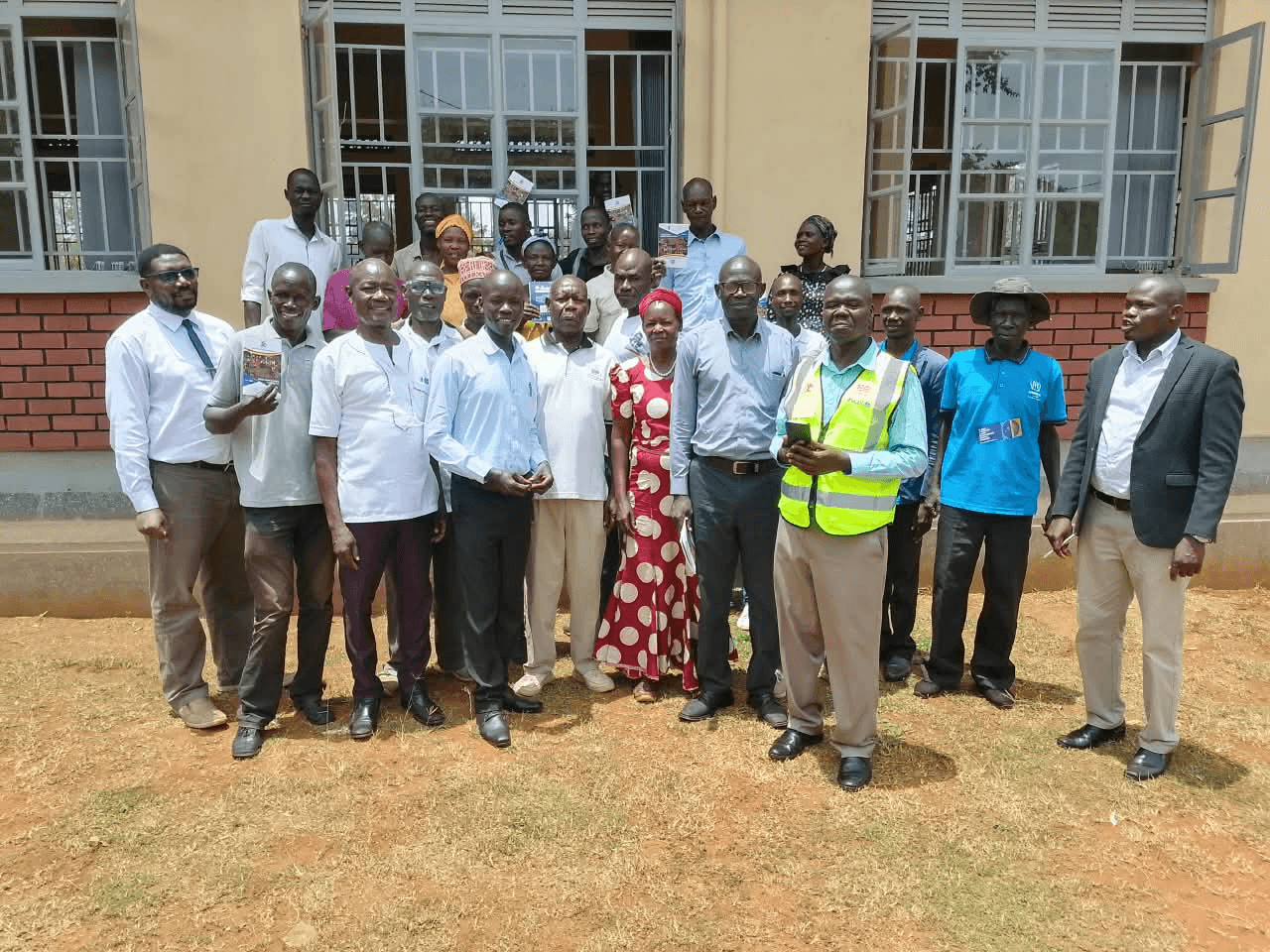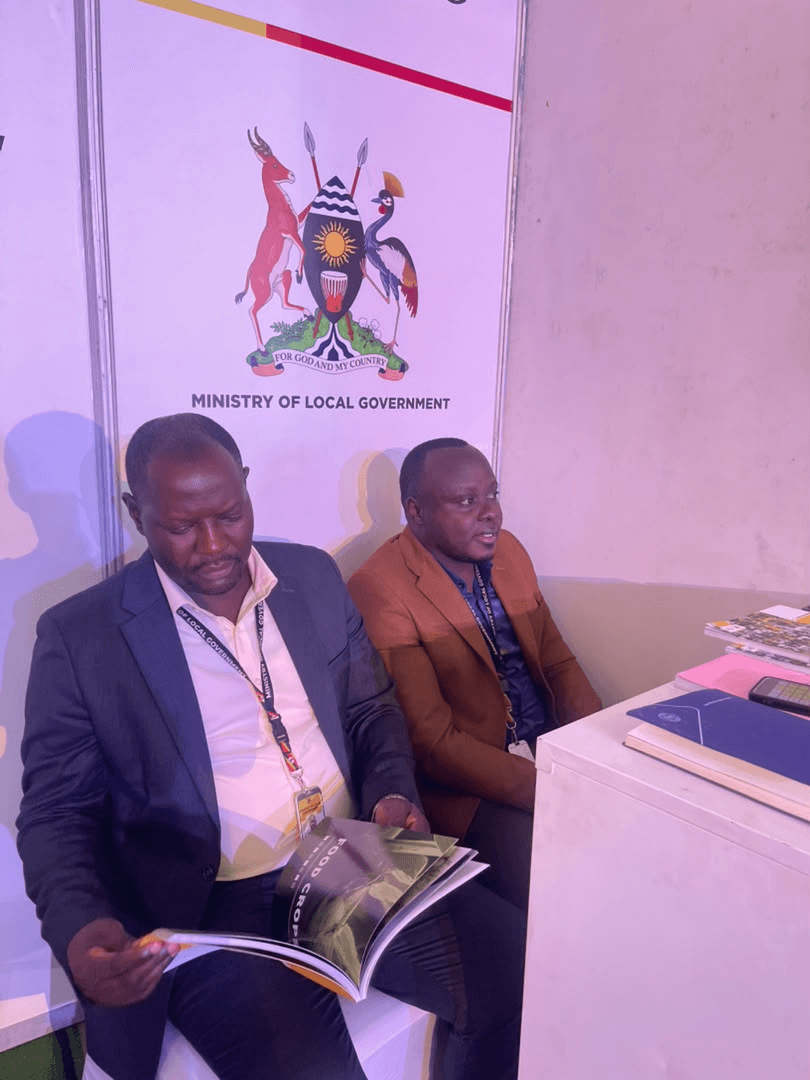
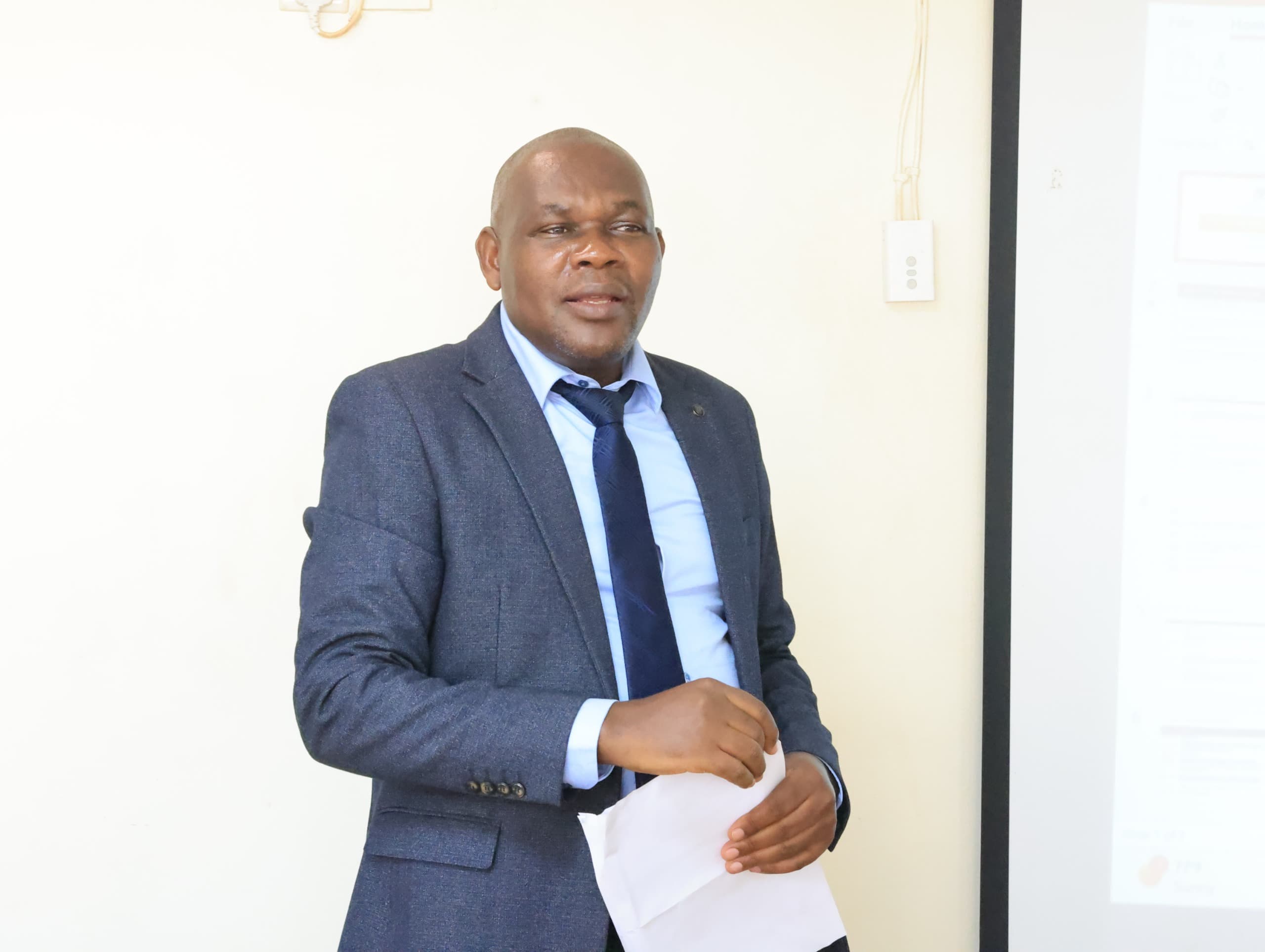
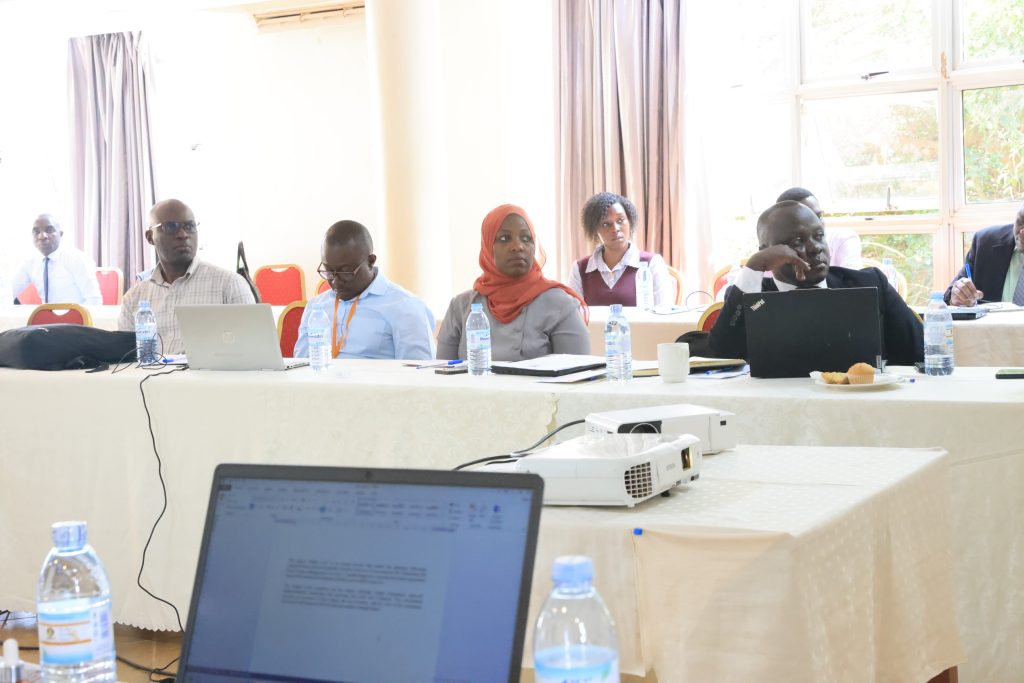
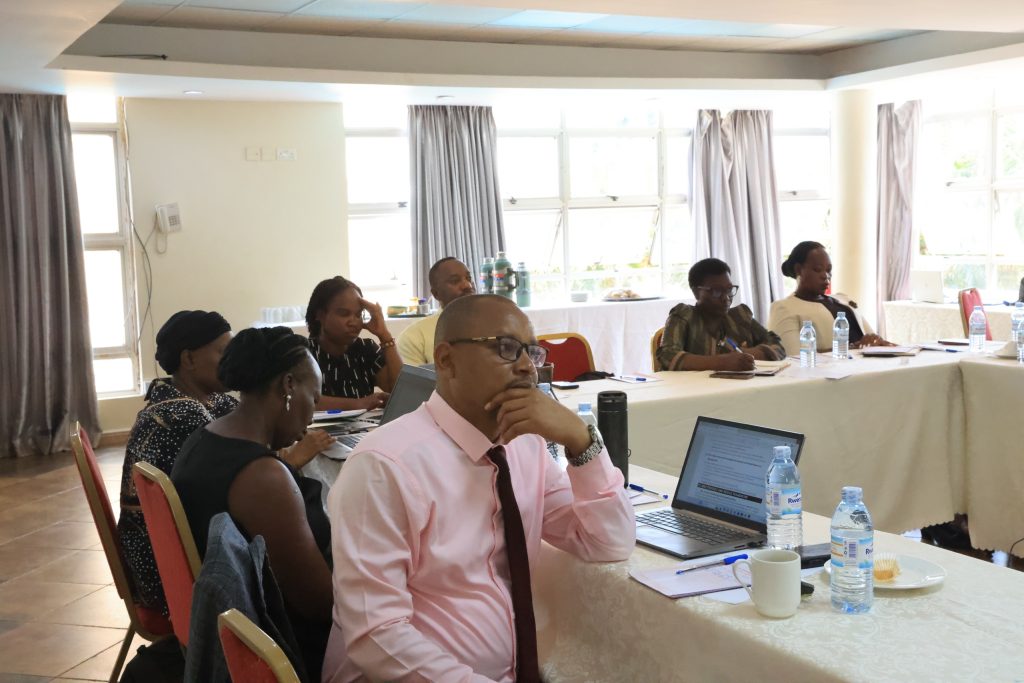
Kampala, July 2026 – The Ministry of Local Government has commenced a three-day training for inspectors on Budget Analysis in Human Capital Development (HCD) to strengthen oversight, accountability, and evidence-based planning in local governments.
The training, organized by the Ministry with financial and technical support from the United Nations Population Fund (UNFPA), brings together inspectors from the Ministry of Local Government, technical officers from the Ministry of Finance, Planning and Economic Development (MoFPED), the National Planning Authority (NPA), the Ministry of Health (MoH), the Ministry of Education and Sports (MoES), the Ministry of Gender, Labour and Social Development (MGLSD), and other key stakeholders.
Speaking on behalf of the Permanent Secretary, Mr. Ben Kumumanya, the Assistant Commissioner for District Inspection, Silver Tindizirarira, emphasized that Human Capital Development remains one of the cornerstone programmes under the Fourth National Development Plan (NDP IV) and is critical to Uganda’s long-term socio-economic transformation.
“Human Capital Development plays a crucial role in unlocking the full potential of individuals and societies, thereby enhancing productivity and the quality of life. A healthy, well-educated, and skilled population boosts productivity, innovation, creativity, and the uptake of knowledge and modern technologies across different sectors of the economy,” he said.
He noted that Uganda’s youthful population presents a significant opportunity for economic growth if investments in health, education, skills development, social protection, water, gender, and youth programmes are effectively implemented.
“With 73.2 percent of Uganda’s population aged between 0 and 30 years, and the population projected to grow from 45.9 million in 2024 to 104 million by 2060, the potential for a demographic dividend is enormous if the right investments are made,” Tindizirarira noted.
Despite substantial government investment in Human Capital Development, he observed that inspection and monitoring reports continue to reveal persistent challenges within local governments, including low budget absorption, weak alignment of district plans with HCD priorities, and inadequate financing for high-impact interventions such as family planning, gender-based violence prevention, adolescent health, and skills development for beneficiaries under the Parish Development Model (PDM).
He explained that the training seeks to equip inspectors with practical skills to analyze district budgets and monitor whether allocated resources are effectively utilized to improve service delivery.
“This training will equip inspectors with the skills required to track the implementation of Human Capital Development programmes and ensure that resources allocated to districts are used effectively and efficiently for their intended purposes,” he said.
The Assistant Commissioner further acknowledged UNFPA’s continued partnership with the Ministry, highlighting its contribution to strengthening local government inspection systems.
“UNFPA’s support has been instrumental in reviewing and pre-testing the Local Government Compliance Inspection Tool. Training inspectors on the Human Capital Development Budget Analysis Framework is another important step towards promoting accountability and evidence-based decision-making,” he added.
Tindizirarira challenged inspectors to move beyond routine compliance inspections during the Financial Year 2026/2027 and instead undertake comprehensive budget analysis that examines whether districts are allocating adequate resources to Human Capital Development priorities, spending those resources efficiently, and achieving measurable outcomes for citizens.
“Your role should go beyond routine compliance. You are expected to provide deep budget analysis that answers three key questions: Are we budgeting right? Are we spending right? And are we getting results for women, youth, children, and other vulnerable groups?” he emphasized.
During the three-day training, inspectors are expected to build capacity in using the Human Capital Development Budget Analysis Template to extract and analyze data from the Programme Budgeting System (PBS), Integrated Financial Management System (IFMS), and district work plans. They will also learn to apply the HCD Scorecard, identify compliance and non-compliance issues, document best practices, and develop actionable recommendations to inform district and national budgeting processes.
The Ministry noted that findings generated through the budget analysis exercise will contribute directly to the National Human Capital Development Consolidated Report, inform Programme Budgeting System ceiling discussions, and support the Ministry’s engagements with the Ministry of Finance, Planning and Economic Development and Parliament on Human Capital Development financing.
Tindizirarira encouraged participants to actively engage throughout the training, emphasizing the strategic importance of their work.
“This is not just another training. It is about building your capacity to influence how billions of shillings allocated to Human Capital Development are planned, managed, and utilized at the local government level,” he said.
He concluded by expressing the Government’s appreciation to UNFPA for its continued technical and financial support and thanked the technical teams from the Ministry of Local Government and partner ministries for their commitment to strengthening local government performance.
The three-day training is expected to enhance the Ministry’s inspection function by improving budget oversight, strengthening accountability, and ensuring that public resources invested in Human Capital Development deliver meaningful results for communities across Uganda.