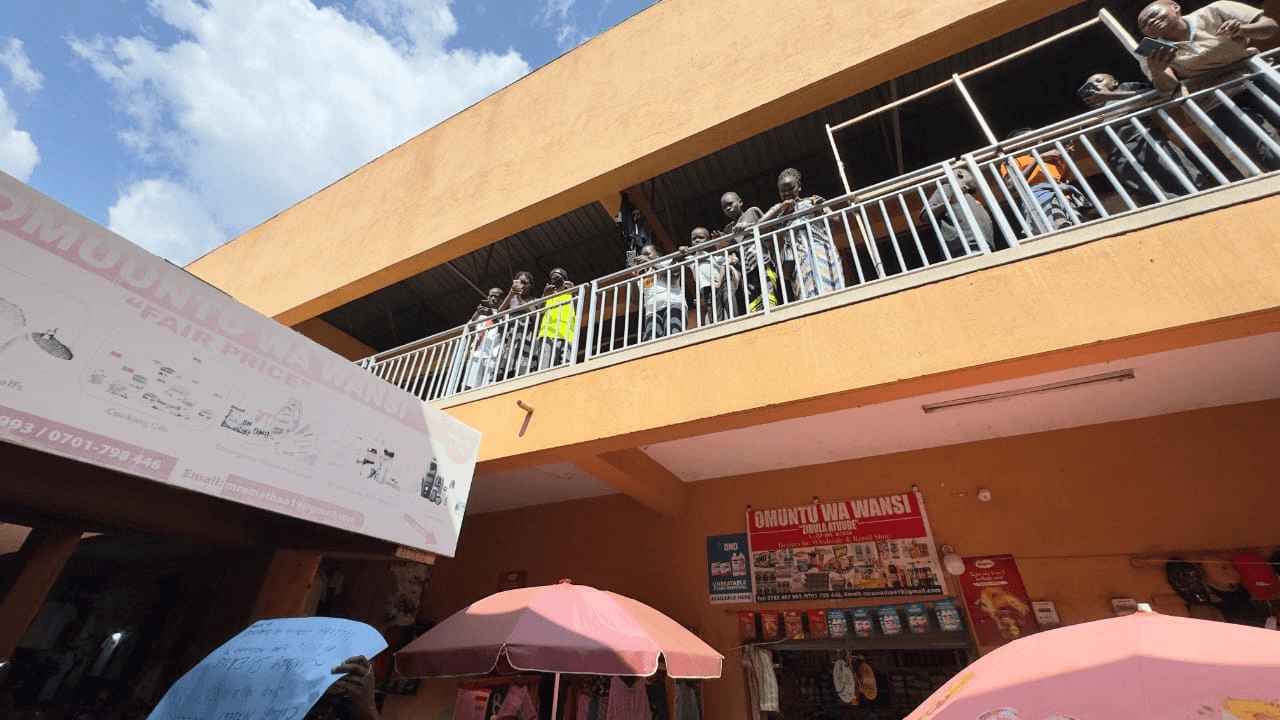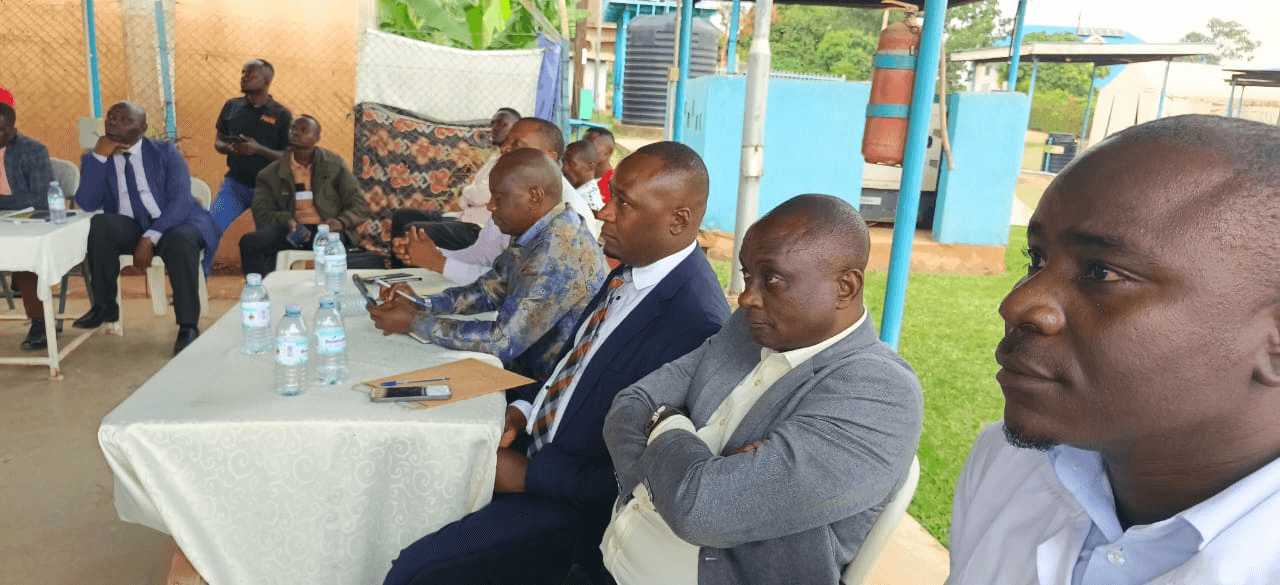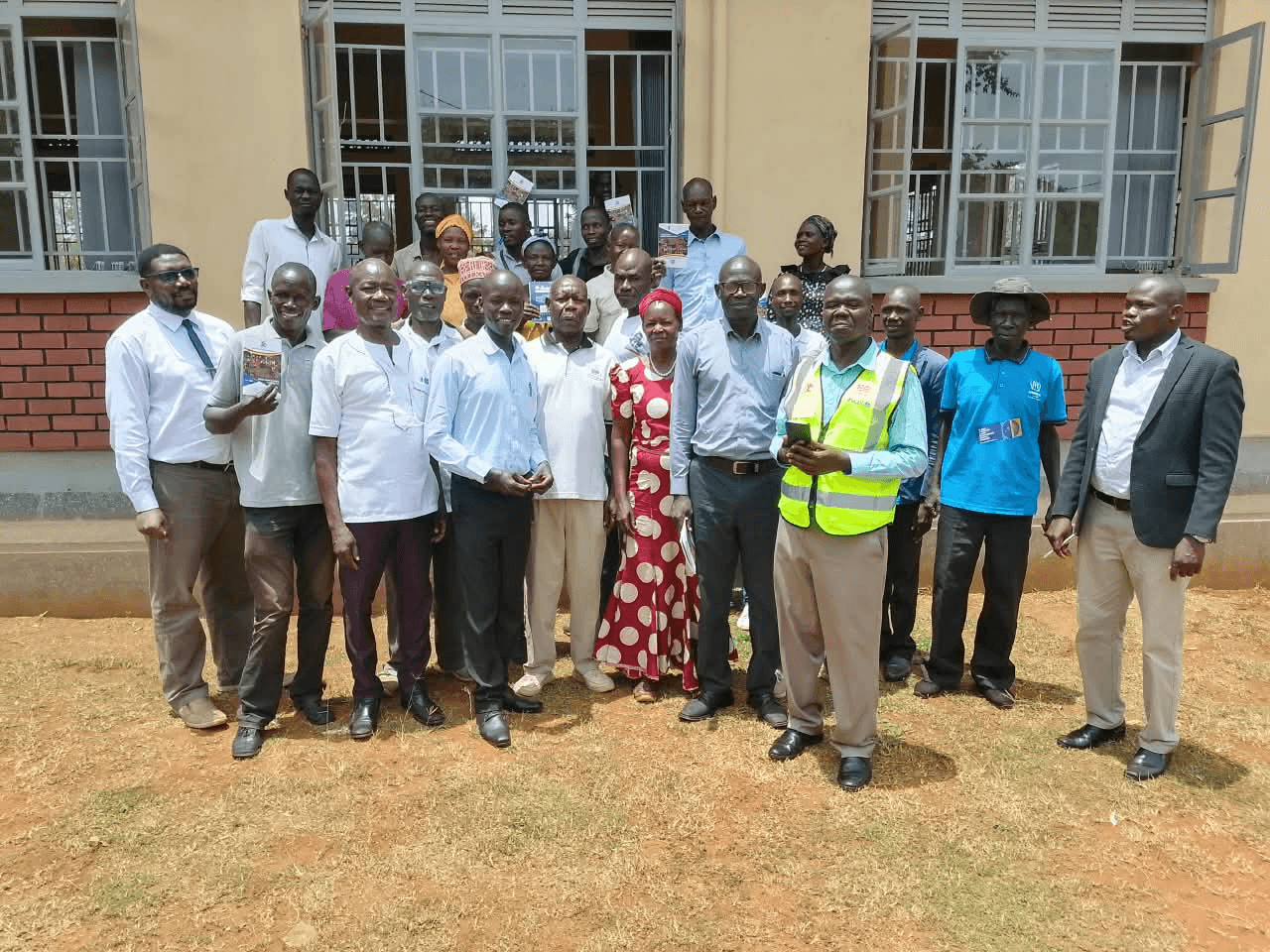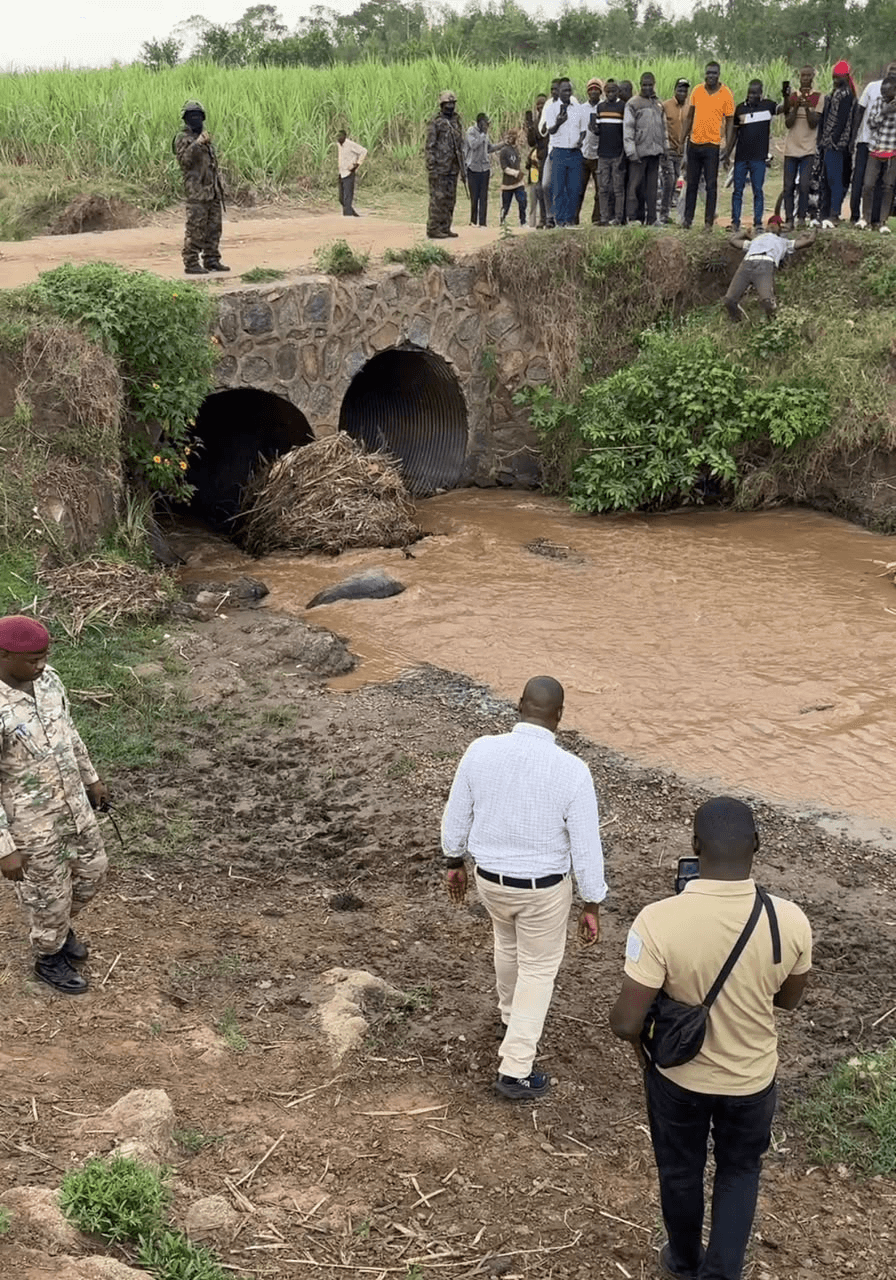
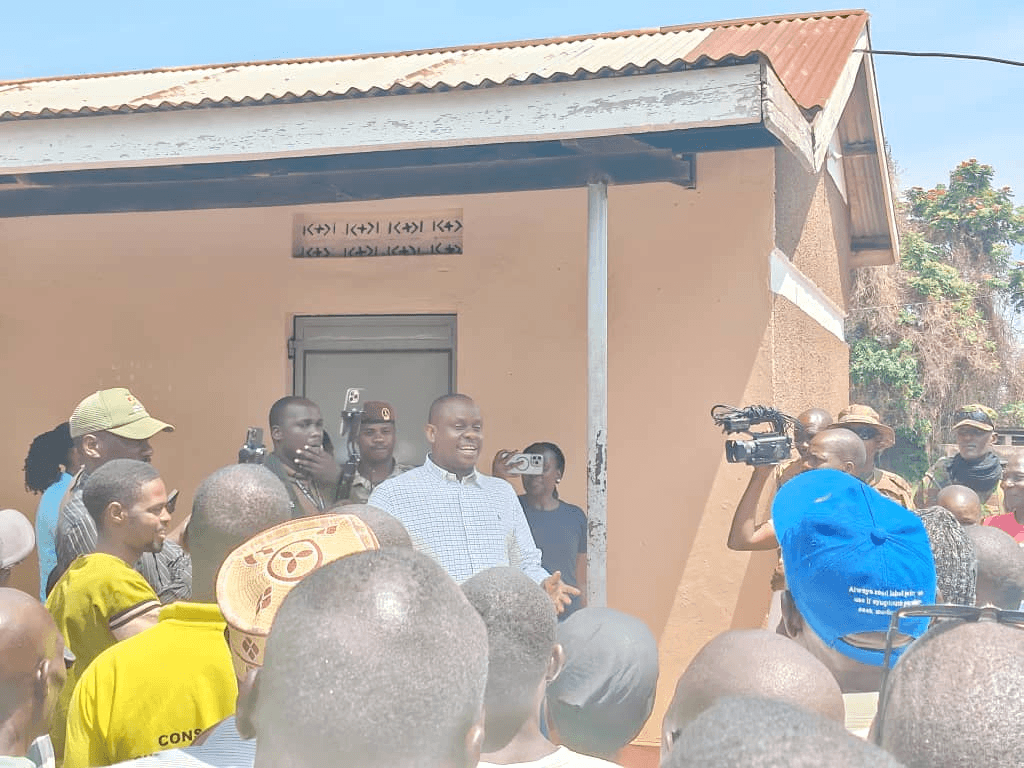
MANAFWA, Uganda — September 18, 2026. — By 10 a.m., the first warning sign was already visible.
At the offices of Nabumali Town Council, the doors were locked and the Town Clerk was nowhere to be found. Only an office attendant and a health inspector were present to receive the delegation led by the Minister of Local Government, Hon. Barugahara Balaam Ateenyi, as part of the Presidential Anti-Corruption Tour.
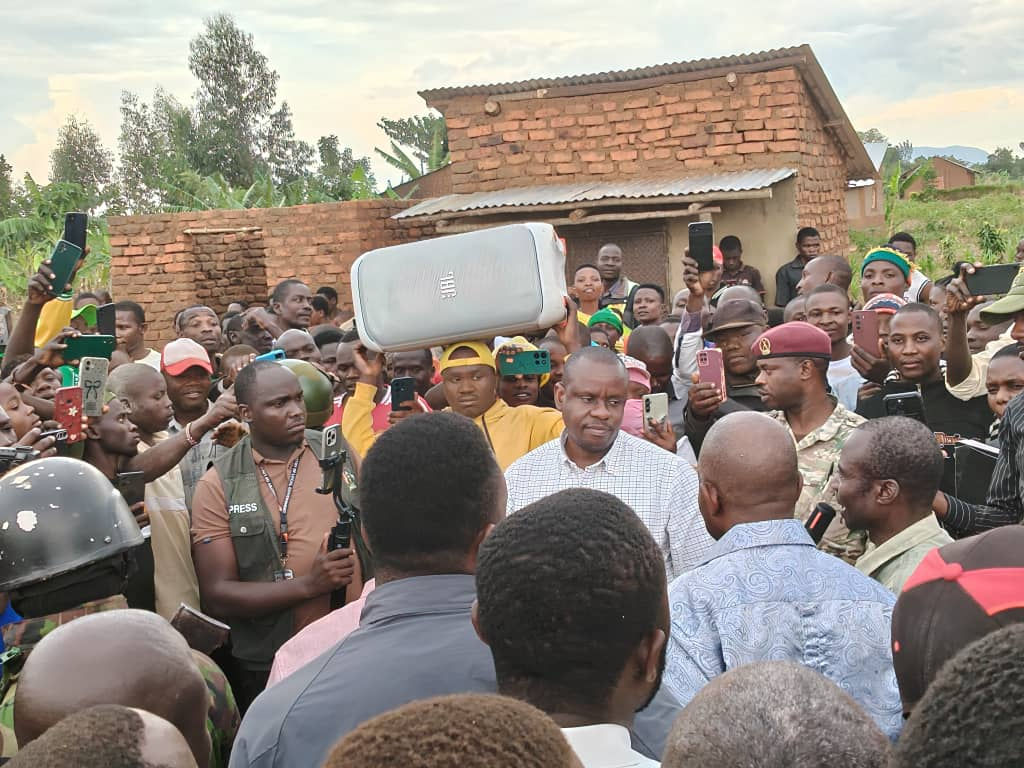
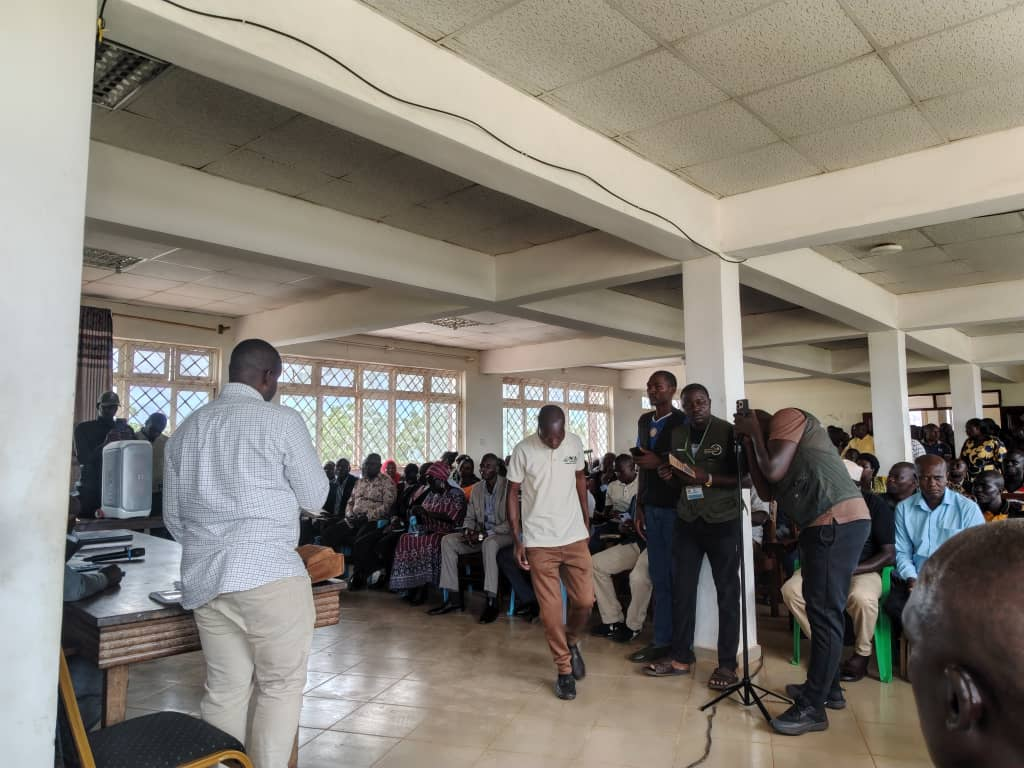
What began as a routine inspection quickly developed into a day-long public examination of Manafwa District, with residents, civil servants and local leaders bringing allegations of absenteeism, stalled government projects, poor workmanship, questionable recruitment practices and possible misuse of public resources before government officials.
The Minister’s team moved from one institution to another, listening to complaints, questioning officials and examining some of the issues raised. By the end of the day, several matters had been referred for investigation, while a list of 25 district officials was proposed for interdiction to facilitate further inquiries.
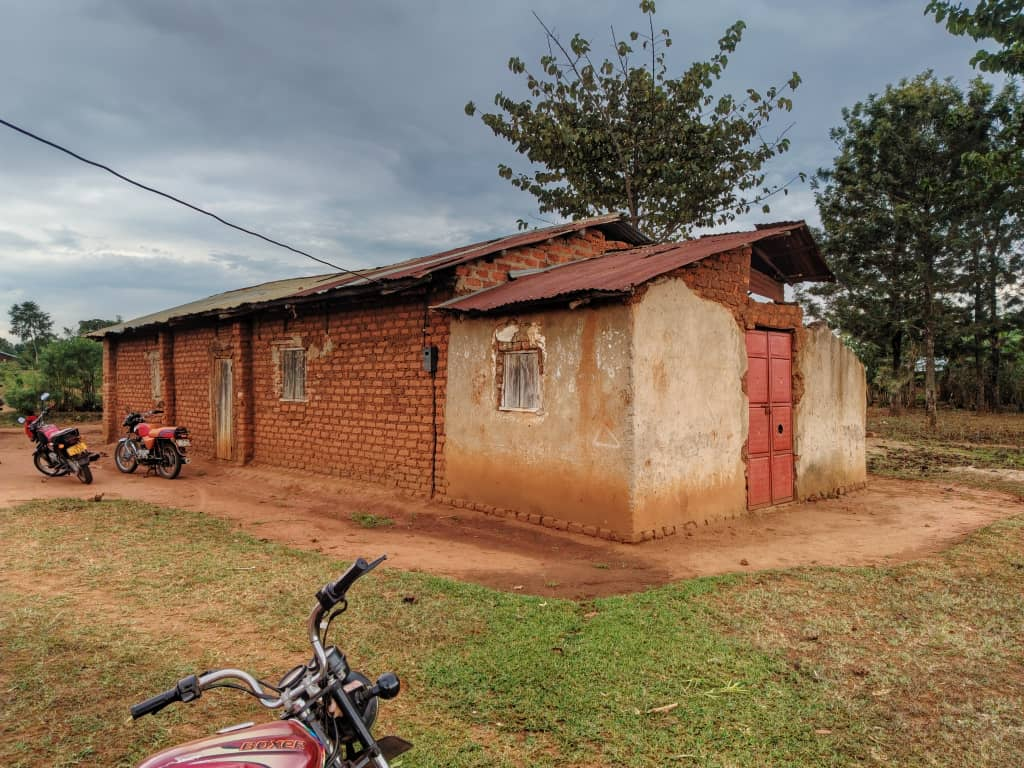
The first major allegations emerged in Buyaza Parish, where residents raised questions about money disbursed under the Parish Development Model.
Some residents said they had been registered and had signed documents indicating that they were beneficiaries but claimed that the money never reached their accounts. One resident told the delegation that he was fully registered in the system but had never received the funds associated with his registration.
The Parish Development Model focal person reported that approximately UGX 63 billion had been allocated to 155 parishes, of which about UGX 55 billion had been disbursed. The figures prompted questions about the status of the remaining funds and whether all intended beneficiaries had received the money allocated to them.
The allegations were left for verification through beneficiary records, financial documentation and other relevant evidence.
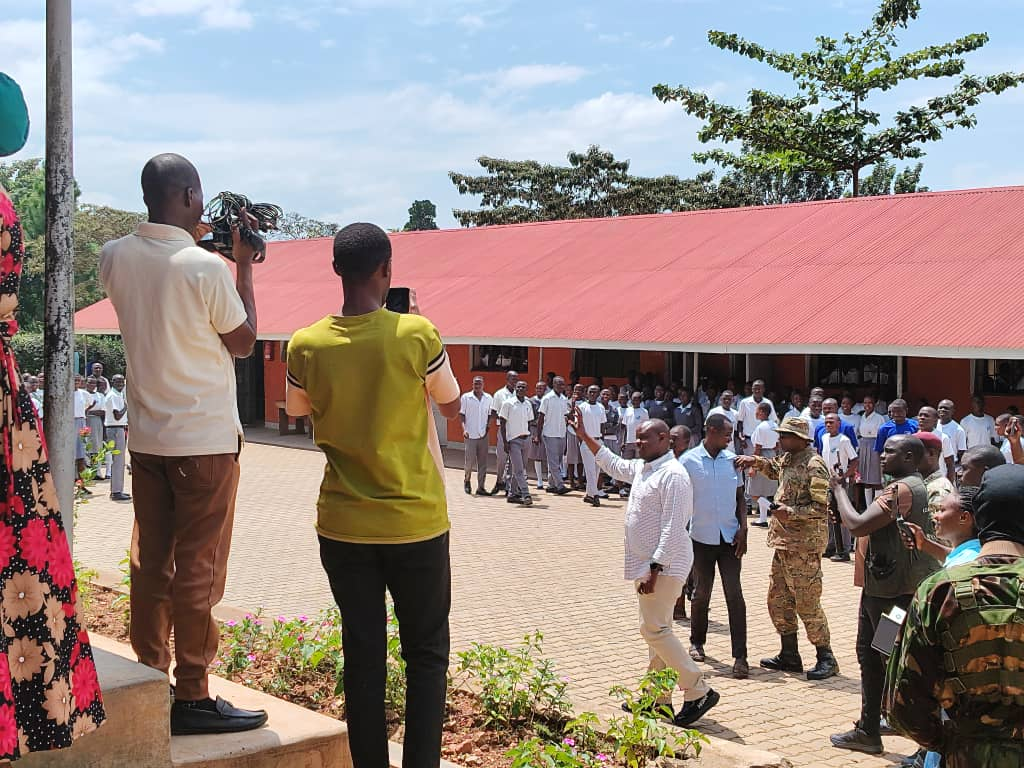
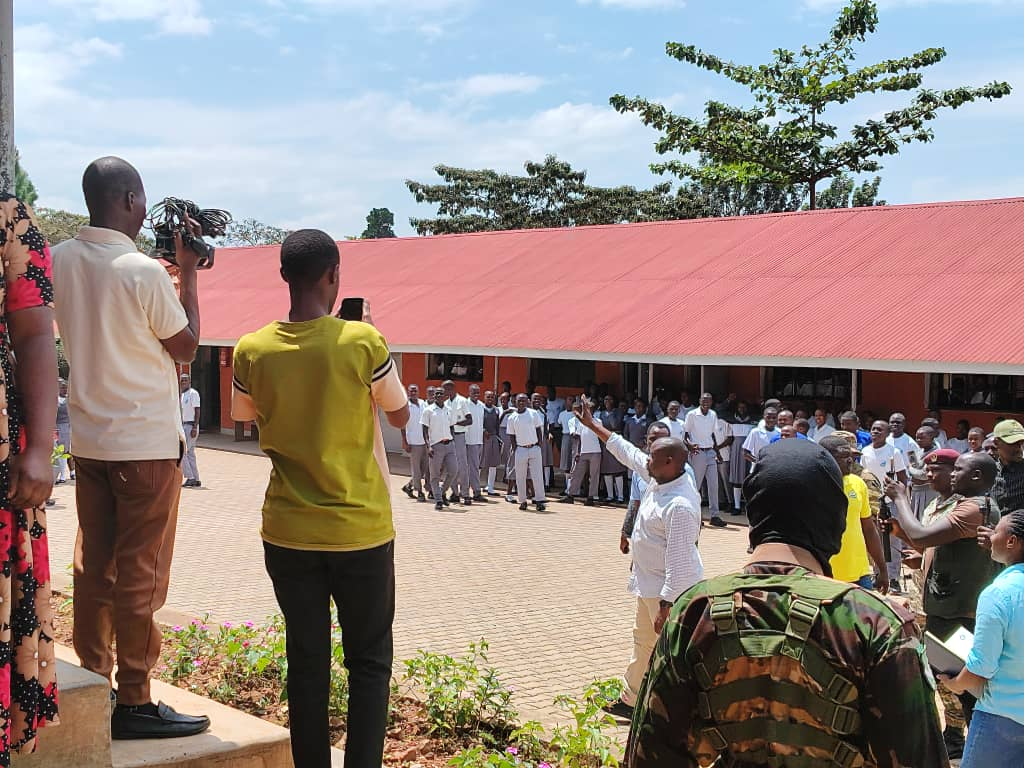
At Nyondo Secondary School in Mbale, however, the inspection produced a markedly different picture.
The Catholic-founded school was found to be clean, organised and disciplined. Its Headteacher, Mr. Khanduli Dismus, was commended by Hon. Balaam for the management of the institution. Mr. Khanduli thanked the Government for its efforts to promote accountability and combat corruption.
The school offered a contrast to the complaints emerging elsewhere during the tour and demonstrated the difference that effective leadership and management can make in public institutions.
The delegation then moved to Manafwa Town Council, where Mayor Mr. Tom Wamerenoba presented three major challenges facing the town.
The first was land. The Mayor said the land allocated to the Town Council near the market was too small to support future expansion as the town seeks to develop into a municipality.
The second concern was roads. Road works planned for the 2025/2026 financial year had stalled, with the Mayor attributing the delays partly to inadequate road machinery.
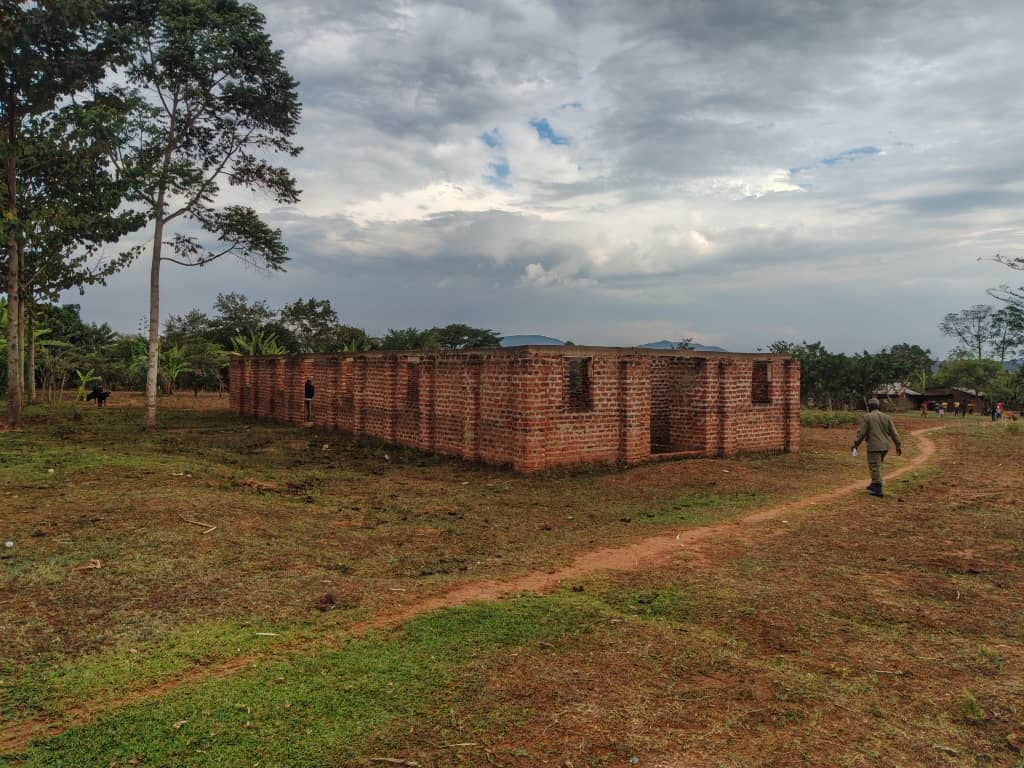
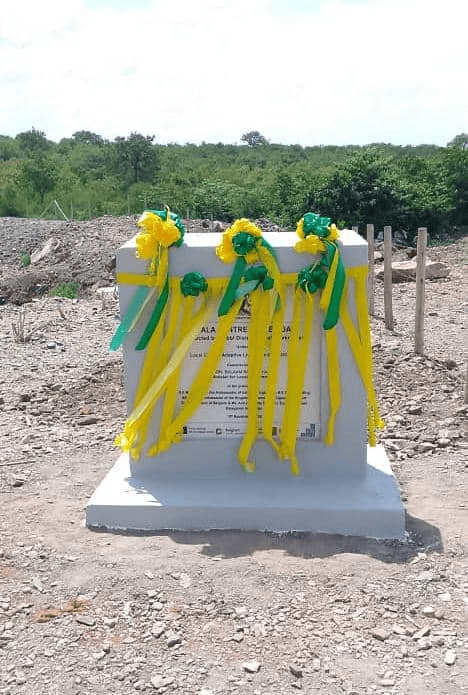
The third and most significant concern was a UGX 7.9 billion water project which, according to the Mayor, had stalled completely.
He told the delegation that the full amount had been released and that the project was under the supervision of the Ministry of Water and Environment. Yet, with only two weeks remaining before the project’s deadline, little was reportedly visible on the ground.
The Town Council had repeatedly requested the project’s Bills of Quantities to establish the scope and cost of the works, the Mayor said, but the documents had not been provided.
The matter was therefore left for examination through project records, financial documentation and physical inspection.
The scrutiny then moved into the education sector, where the Chief Administrative Officer, Mr. Kimuli Osenku Samuel, and heads of departments faced a series of allegations concerning the management of schools and public resources.
Among the complaints were allegations that some schools had inflated student enrolment figures on the Education Management Information System portal in order to obtain higher capitation grants. Other allegations included misuse of capitation grants, excessive school fees, unauthorised bus collections and the alleged sale of government land, including school playgrounds.
The delegation was also told that about half of staff in the education sector had remained in acting positions for years.
The District Education Officer, Ms. Nambuya Rachel, who has served in the district since 2021, acknowledged that audits had identified cases where schools reported enrolment figures higher than their actual numbers.
Questions were also raised about the recruitment of Sports Officer Ms. Nabessa Aisha, with allegations that proper recruitment procedures had not been followed.
The health sector presented another set of concerns.
Four Clinical Officers at Bubulo Health Centre IV were reportedly away on study leave without permission. An Assistant Nursing Officer, Ms. Namutosi Joyce, was also accused of chronic absenteeism. The District Health Officer told the delegation that her salary had been withheld in an attempt to compel her to return to duty.
The allegations raised a broader question that had surfaced repeatedly during the tour: whether public servants were physically present and available to provide services for which taxpayers were paying.
The Works Department also came under scrutiny over the quality and completion of infrastructure projects.
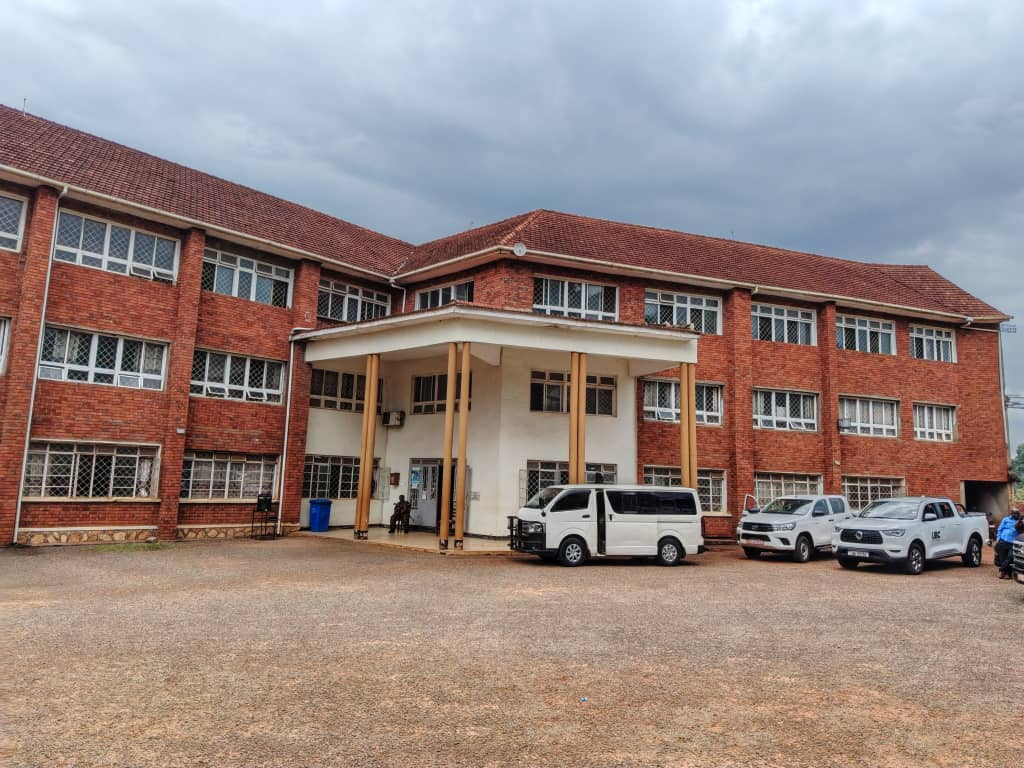
The extension of the District Headquarters, budgeted at approximately UGX 300 million, was described as poorly executed. Road works were also reported to be incomplete despite the release of funds. There were allegations that loam soil had been used instead of the murram specified in the project budget.
Another personnel matter concerned Senior Civil Engineer Khaukha Anthony, who was questioned over his qualifications and promotion.
Hon. Balaam referred the relevant matters to the State House Anti-Corruption Unit for investigation.
By evening, the focus had shifted from service delivery to one of the most serious issues raised during the tour: recruitment and promotion within the Manafwa District Service Commission.
The Production Department initially presented a relatively positive picture. Dr. Obbo Bonifesi, the District Production Officer, reported on the department’s approximately 60 staff.
The Human Resource Department, however, attracted a much more critical response from residents.
Several residents alleged that jobs were sometimes allocated to relatives or preferred candidates before interviews were conducted, undermining merit-based recruitment.
The Secretary to the District Service Commission was accused of recruiting four relatives. In another case, a candidate who allegedly did not pass an aptitude test was reportedly called for an oral interview and subsequently obtained a job.
Residents called for the existing District Service Commission to be dissolved and a new commission appointed, with stronger oversight involving the Chief Administrative Officer, Resident District Commissioner and district councillors.
Mr. Andrew Lelu, the visiting Chief Administrative Officer from Amudat District, recommended a forensic audit of the water department.
Then came the allegations that gave the day’s proceedings their most serious dimension.
Witnesses alleged that government jobs in the district were being sold for between UGX 2 million and UGX 100 million, with money allegedly shared among individuals involved in the recruitment process.
One case cited was that of LC3 Chairperson Mutambo Mathew, who was reportedly alleged to have paid money to secure employment for his son.
Another testimony came from a Procurement Assistant who said he had returned from further studies after upgrading to a degree in Procurement in 2016, intending to qualify for career advancement.
He later applied for the position of Procurement Officer. According to his testimony, although he had been recommended by the Chief Administrative Officer, officials in Human Resource and the District Service Commission allegedly demanded UGX 15 million for him to secure the position.
He said he could not raise the money.
He was subsequently not appointed to the position and was forcefully retired in May 2026. The Ministry of Local Government has since directed that his retirement letter be recalled and that he be reinstated.
Hon. Balaam also directed the State House Anti-Corruption Unit to write to the Inspector General of Government in Kampala regarding the matter.
The testimony of Mr. Mafumo Robert brought the recruitment allegations to another level.
Mr. Mafumo told the delegation that he had allegedly paid UGX 6 million in an attempt to secure promotion to the position of Principal Agricultural Officer.
According to his account, the money was allegedly paid through a broker to the former Chief Administrative Officer and the former Chairperson of the Local Council Five. He said the promotion ultimately went to Mr. Obbo.
The allegations remain subject to investigation and verification.
But the testimony prompted immediate administrative action. Hon. Balaam commended Mr. Mafumo for coming forward and directed that relevant officials be interdicted to allow investigations to proceed.
The proposed administrative action extended beyond the individuals directly mentioned during the recruitment testimonies.
A list of 25 officials from Manafwa District was proposed for interdiction, covering education, health, water, works, production, human resources, finance, community development, commercial services, physical planning and local administration.
The list included Nambuya Rachel, District Education Officer; Mungoma Masolo Deo and Natifu Isaac, Inspectors of School; Walekula Emmanuel, Assistant District Health Officer; Waniala Stephen Sabunyo, Assistant District Health Officer for Maternal and Child Health; Masolo Perezi, Biotechnician; Eng. Kahinju Julian Akiki, District Water Officer; Khaukha Anthony, Senior Civil Engineer; Dr. Obbo Bonifesi, District Production Officer; Natanga Patrick, Senior Agricultural Officer; Walyabula Joseph, Principal Human Resource Officer and Secretary to the District Service Commission; Namono Betty, Principal Human Resource Officer; and Maberi Abdu, Senior Human Resource Officer.
Also named were Mandu Samuel, District Commercial Officer; Tuhume Nicholas, Principal Agricultural Officer; Isiiko Ronald and Mwaseme Silas, Senior Assistant Accountants; Mukhooli David Eric, District Inspector of Schools; Tsekoko Moses, District Community Development Officer; Kigai Peter, Human Resource Officer at Bugobero Health Centre IV; Khisa Mercy, Senior Community Development Officer at Masaka Town Council; Bichacha Micheal, Chief Finance Officer; Namatome Fauza, District Physical Planner; Mircah Mukoya Wanabuya, Town Clerk of Manafwa; and Akello Rose, Head Teacher of Bubulo Secondary School.
The proposed interdictions span many of the departments that came under scrutiny during the Minister’s visit.
However, inclusion on the proposed list should not be interpreted as a finding of guilt. The allegations and administrative concerns raised during the proceedings require investigation, verification of records and due process before responsibility can be established.
By the time the delegation left Manafwa, the day’s events had produced a long list of questions.
Who received Parish Development Model funds, and who did not?
Why had a UGX 7.9 billion water project stalled despite the reported release of funds?
Were school enrolment figures inflated to obtain additional government funding?
Why were some public servants allegedly absent from duty or away on unauthorised study leave?
Were infrastructure projects delivered according to their approved specifications?
And, perhaps most seriously, were public jobs being allocated on merit, or were some positions being treated as commodities that could be bought?
Those questions cannot be answered by testimony alone. They require audits, personnel records, procurement documents, project files, financial records and other evidence.
But the events of September 18 placed those questions firmly before the authorities.
For Manafwa, the anti-corruption tour was not simply a visit by a government delegation led by Hon. Balaam. It became a public forum in which residents were given an opportunity to raise allegations directly before officials responsible for oversight.
The proposed interdictions represent one of the most significant administrative consequences to emerge from the visit. The next stage is to establish, through evidence and due process, which allegations can be substantiated and what action should follow.
The files are now with the relevant investigative authorities.